Copy the prompt text below and adapt the parameters to fit your vision.
Create a premium contemporary editorial art poster for {{LOCATION}} in a playful Japanese design-ZINE style.

FORMAT:
Vertical 3:4, high resolution, modern editorial art, sophisticated print-inspired finish.

LOCATION INTERPRETATION:
Automatically identify the most iconic and visually interesting elements of {{LOCATION}} and select the strongest visual subject for the composition.

Possible elements include:
- landmarks
- architecture
- streets
- landscapes
- food
- nature
- transportation
- cultural details
- distinctive local objects
- recognizable environmental features

Do not attempt to represent everything equally. Build the artwork around the most visually powerful and characteristic subject of {{LOCATION}}.

COMPOSITION:
Use a bold full-frame editorial collage.

Make the main subject occupy approximately 70–90% of the image.

Combine:
- dramatic photographic or illustrated crops
- enlarged architectural or environmental details
- cutout elements
- layered paper shapes
- small image fragments
- irregular edges
- overlapping graphics
- translucent geometric shapes
- brush strokes
- watercolor marks
- arrows
- hand-drawn symbols
- thin graphic lines

Avoid large empty areas while maintaining strong hierarchy, clean spacing, visual rhythm, and professional art direction.

The collage should feel intentionally assembled rather than randomly layered.

COLOR SYSTEM:
Automatically extract 2–4 signature colors from the visual character, architecture, landscape, culture, or atmosphere of {{LOCATION}}.

Use these colors selectively throughout:
- translucent shapes
- circles
- brush strokes
- watercolor marks
- lines
- arrows
- symbols
- small hand-drawn motifs
- selected stick-figure accessories

Keep the palette bright, fresh, sophisticated, and cohesive.

TYPOGRAPHY:
Create a strong combination of English and Japanese typography.

Include:
1. A short original English title inspired by {{LOCATION}}.
2. A complementary Japanese title expressing the mood, identity, atmosphere, or story of {{LOCATION}}.
3. 2–4 small Japanese editorial captions related to the scene.
4. Minimal English/Japanese information such as location, season, date, neighborhood, atmosphere, or cultural context.

Use elegant serif or modern sans-serif English typography.

Use refined Japanese Mincho or Gothic lettering.

Typography should feel editorial rather than commercial.

Allow selected text to overlap imagery or extend slightly beyond the frame to create a sophisticated independent-magazine aesthetic.

Ensure all important typography remains readable and correctly rendered.

HANDWRITTEN ELEMENT:
Add one small handwritten Japanese message inspired by the scene.

It should look naturally drawn with a thin black pen, slightly imperfect and personal, like a note inside an independent Japanese art magazine.

STICK FIGURES:
Include 5–10 tiny black stick figures distributed throughout the artwork.

Give each figure a different playful action, such as:
- climbing a letter
- pulling an arrow
- carrying a graphic shape
- observing the landmark
- sitting on an image edge
- holding a tiny flag
- pointing toward a detail
- walking across a line
- interacting with typography
- looking at the main subject

Keep the figures small, subtle, and secondary to the main composition.

Only a few figures should use accessories in the extracted accent colors.

EDITORIAL DETAILS:
Use small graphic annotations, thin rules, tiny symbols, cropped fragments, subtle numbering-like visual marks only when they function as genuine editorial information, and carefully controlled overlaps.

Every graphic element should support the location story.

Do not overcrowd the composition.

FINAL LOOK:
Make the poster feel like a lively little magazine created from {{LOCATION}}.

Combine:
- contemporary Japanese graphic design
- independent magazines
- art books
- fashion editorials
- gallery-shop ZINEs
- contemporary collage
- refined print design

The result should be bright, fresh, artistic, playful, sophisticated, and highly polished.

It should feel like a collectible contemporary art poster rather than a traditional tourism advertisement.

Maintain strong visual hierarchy:
iconic location subject first,
editorial typography second,
collage details and playful figures third.

Create a premium, tactile, print-inspired finish with subtle paper character and carefully controlled layering.

The final artwork must feel intentionally designed, culturally evocative, modern, and visually distinctive.

--- Negative Prompt ---
Traditional tourist poster, generic travel advertisement, ordinary AI illustration, generic cityscape, generic landmark, random location elements, inaccurate architecture, invented landmark details presented as real, excessive empty space, chaotic collage, random overlapping objects, excessive decoration, weak composition, flat layout, repetitive elements, illegible typography, misspelled English, incorrect Japanese characters, meaningless Japanese text, poor Japanese typography, generic fonts, excessive text, oversized captions, vintage travel-poster aesthetic, retro postcard style, corporate advertising, stock-photo appearance, photorealism without editorial treatment, excessive 3D effects, plastic graphics, glossy CGI, heavy gradients, excessive shadows, dirty paper, excessive paper texture, muddy colors, muted palette, neon overload, random symbols, excessive arrows, oversized stick figures, repetitive stick figures, detailed cartoon characters, cluttered illustration, watermark, logo, QR code, border-heavy layout, low resolution, blur, distorted architecture, duplicated landmarks.
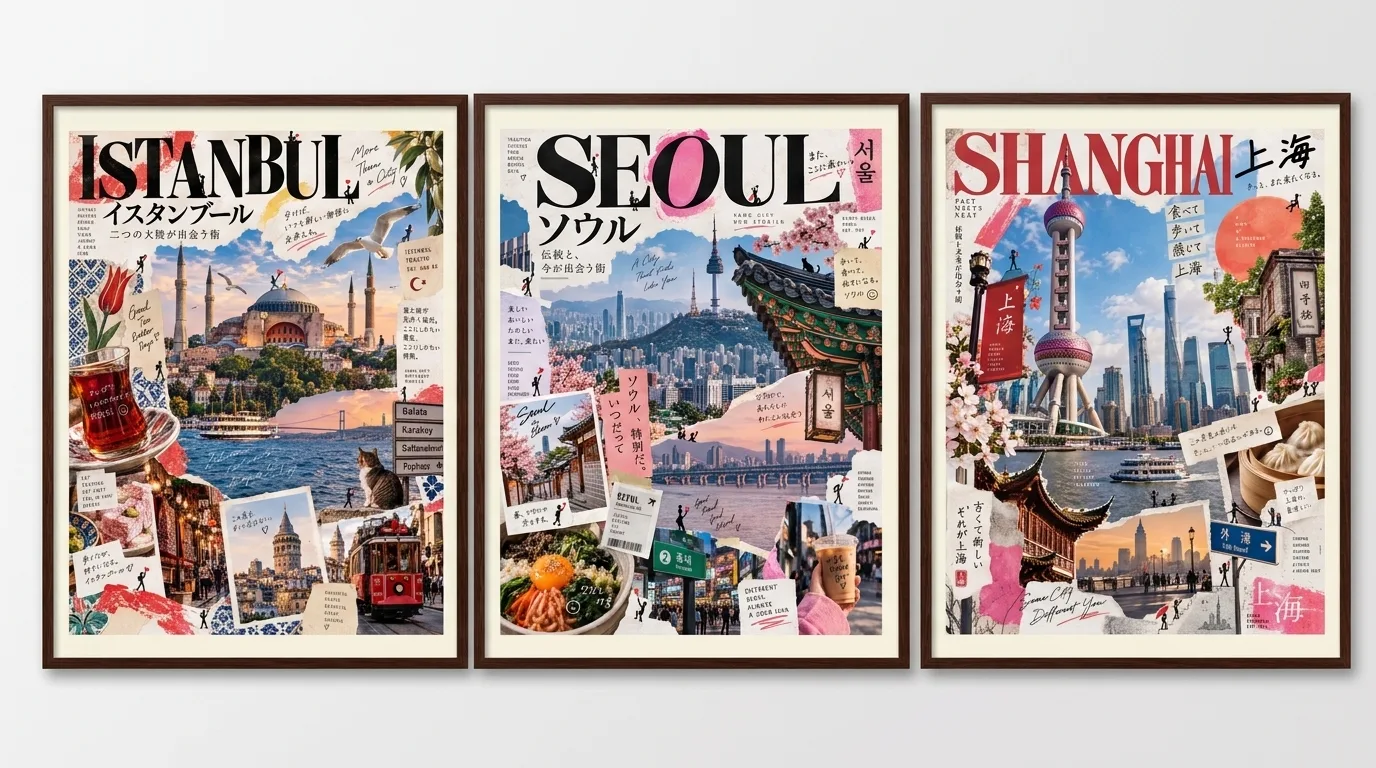
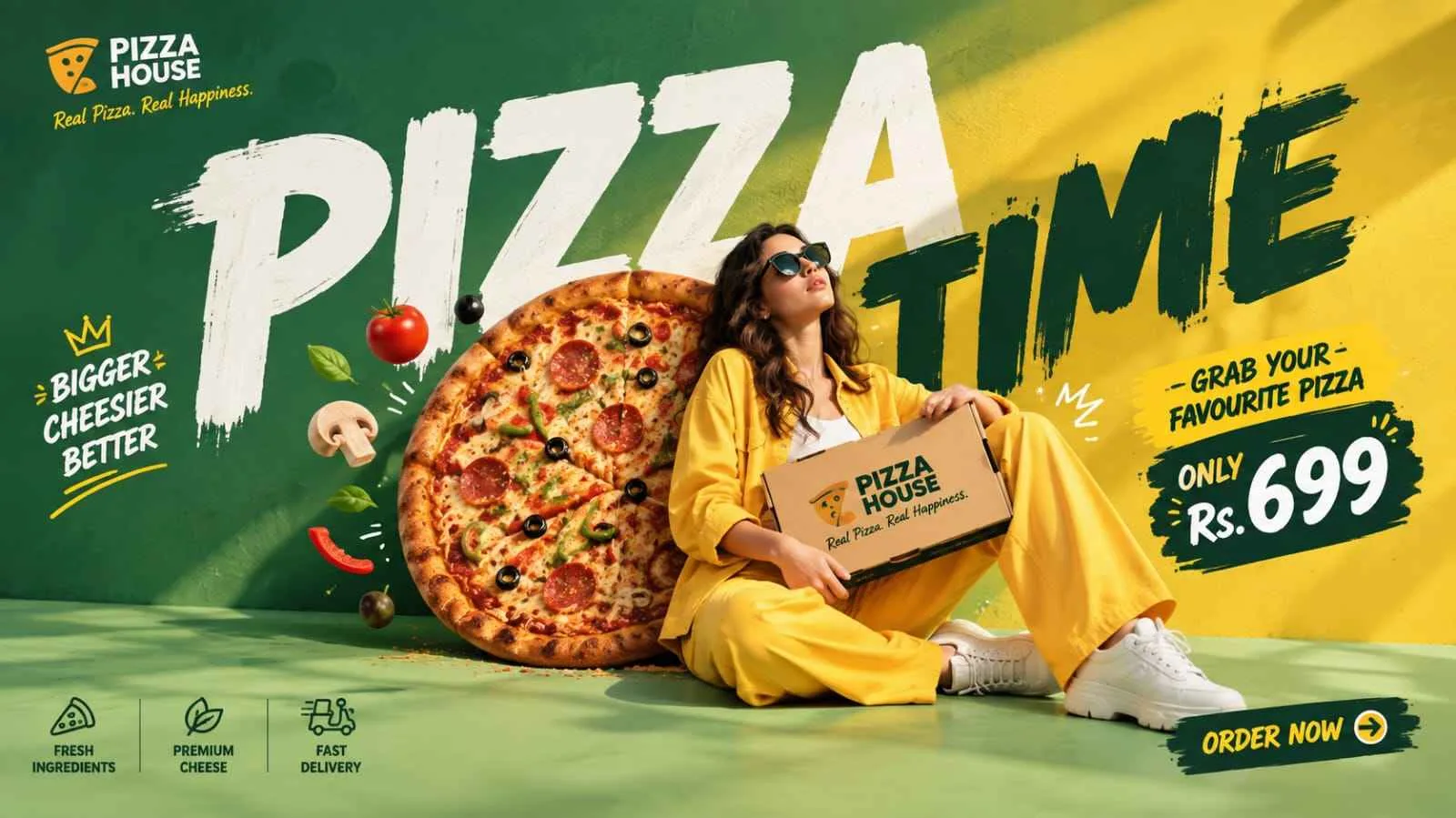
 ChatGPT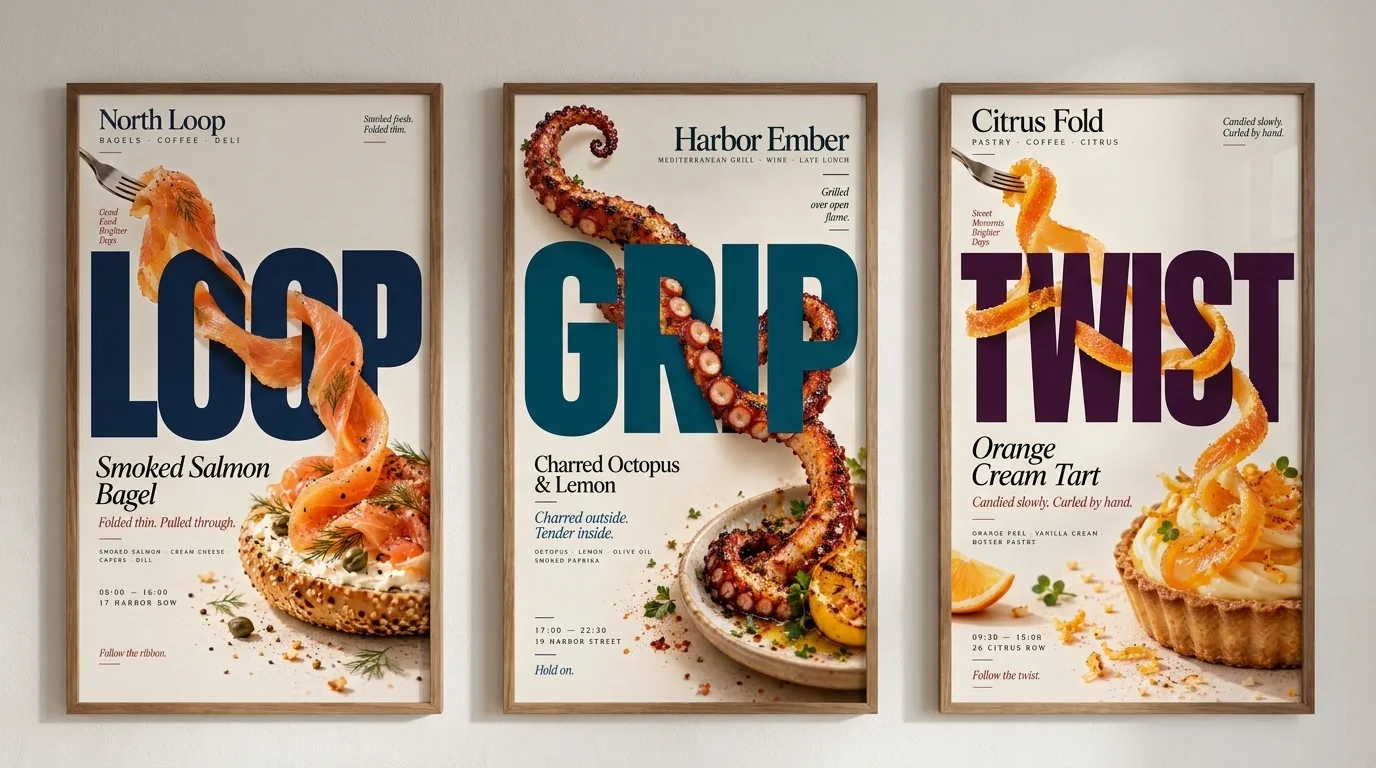
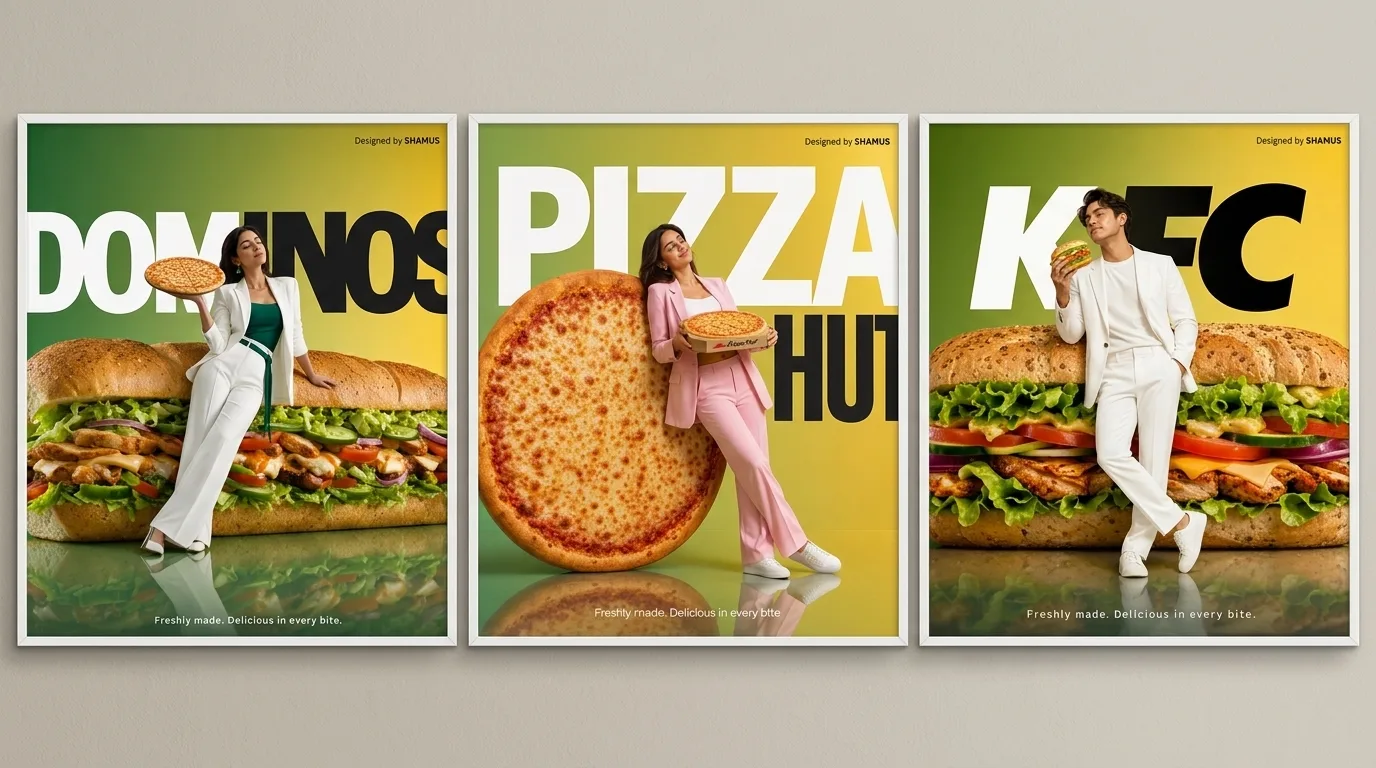
 Midjourney