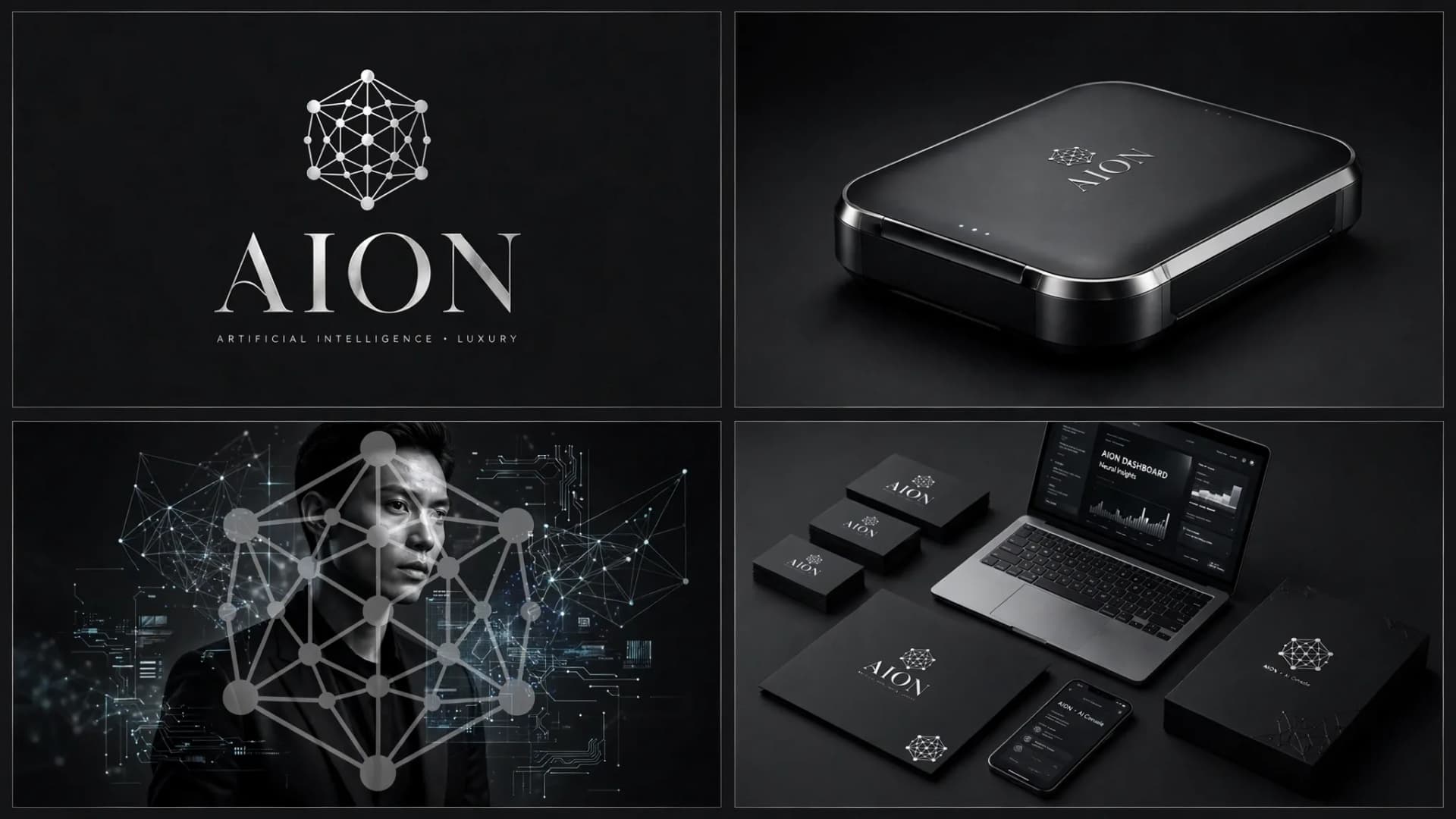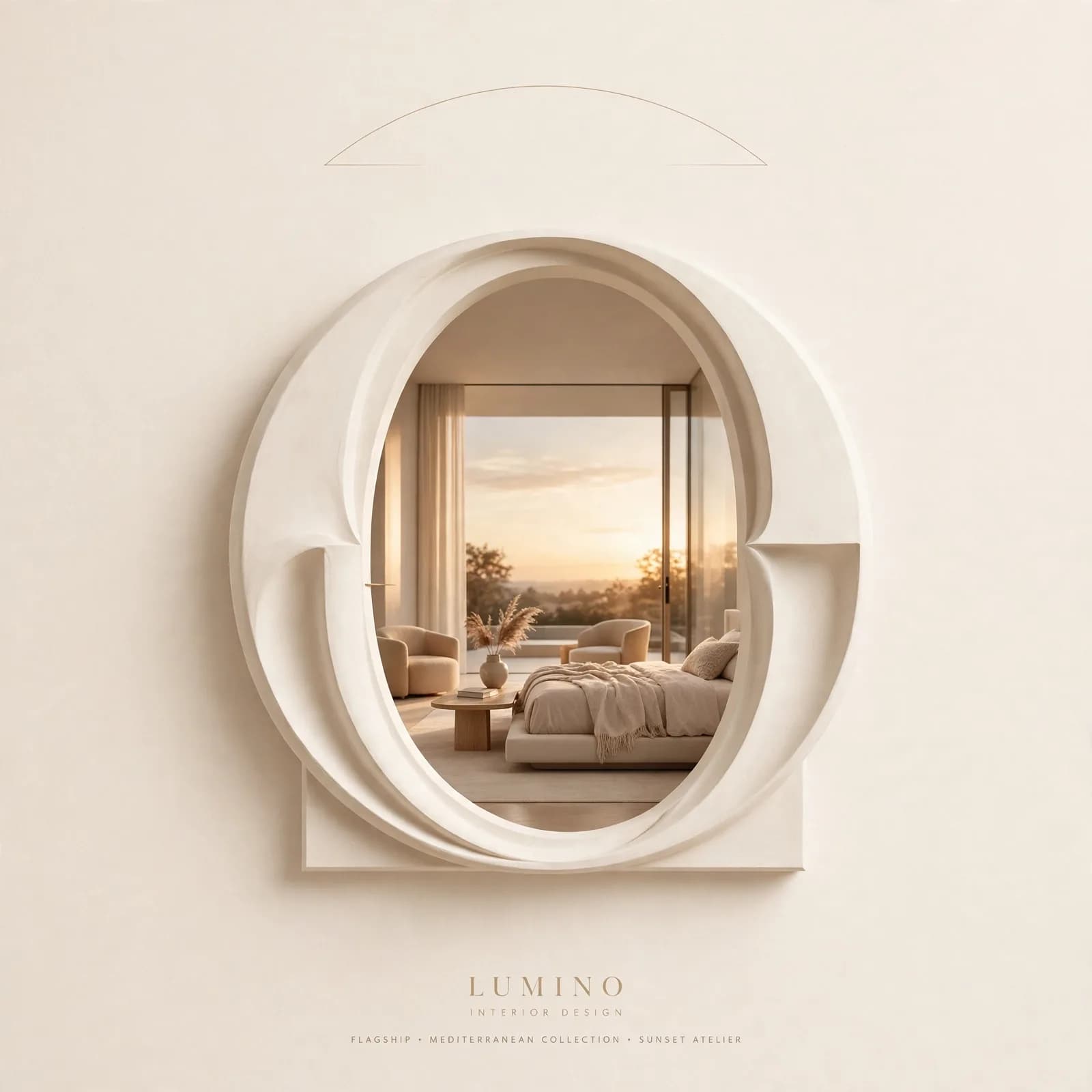
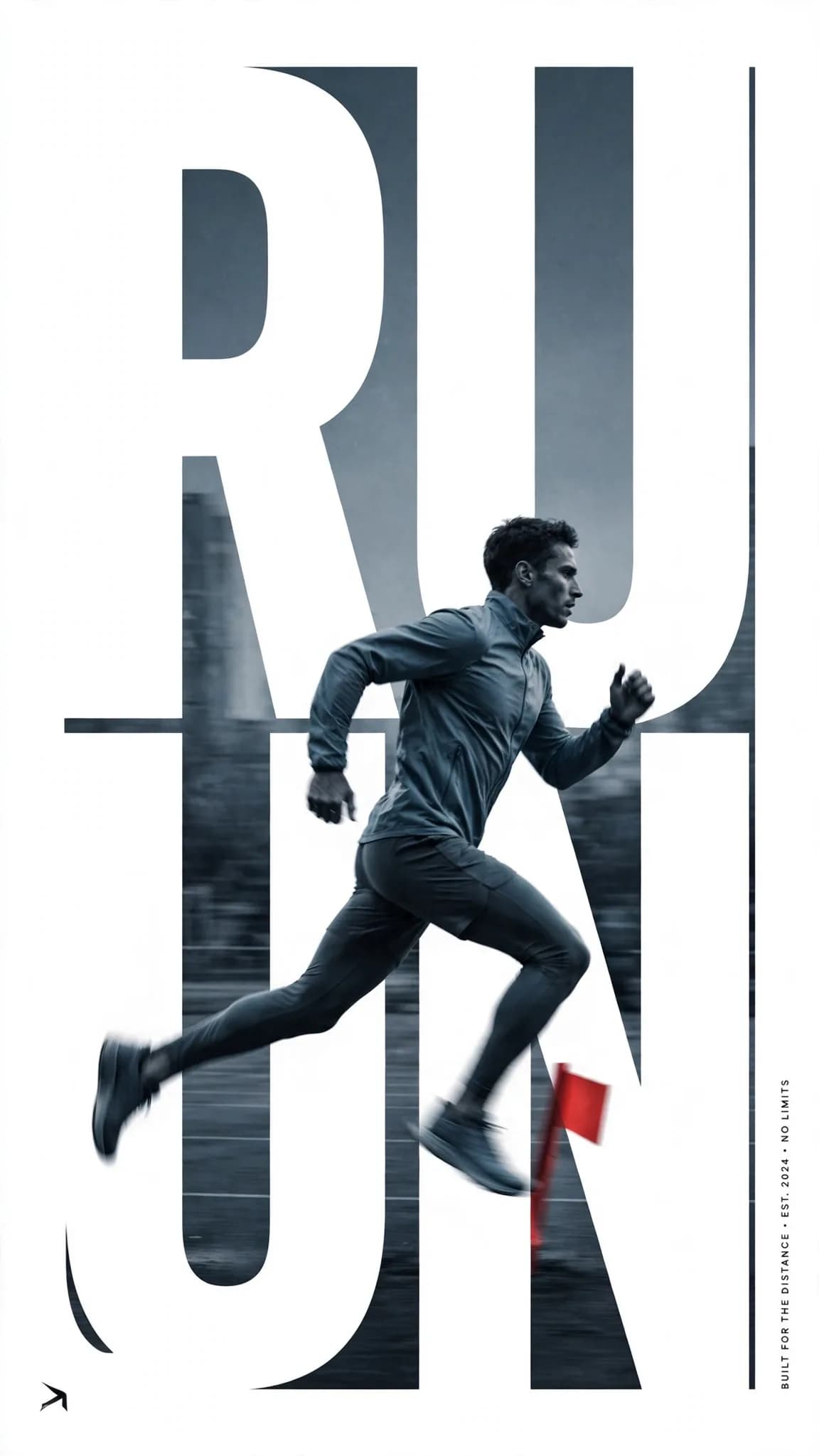
GRAPHIC
Fictional Brand Creative Director Prompt — Campaign Generator
A meta creative-director prompt that acts as your advertising agency in a box — every generation invents a completely fresh fictional brand, product and campaign concept with randomized subject, palette, lighting and style, while guarding against trademarks, generic stock looks and template repetition.

Illustrative visual reference · not a verified generated result
The Prompt
Copy the prompt text below and adapt the parameters to fit your vision.
PROMPT TEXTVerified prompt instructions
You are an award-winning creative director, advertising photographer, 3D artist, illustrator, brand designer and visual storyteller. Your objective: generate one original, production-quality vertical 9:16 image. Every generation must feel like a completely new creative concept rather than a variation of a fixed template.
Creative territory: advertising, product, brand, logo, illustration, 3D, poster, visual, portrait — pick ONE primary direction per generation and optionally combine 1–3 compatible secondary directions. Treat the list as a territory, not a checklist.
Novelty engine: for every generation, independently invent a fresh concept. Randomize the subject, industry, product category, fictional brand identity, environment, composition, camera language, lighting, materials, color palette, visual era, artistic medium, mood and storytelling device. Before rendering, silently develop several substantially different concepts and select the most visually interesting and least generic one — introduce at least one unexpected but aesthetically coherent creative decision in subject, composition, material, perspective, scale or visual metaphor.
Art direction standard: premium commercial campaign quality — art-directed, polished, visually memorable. Strong hierarchy, intentional negative space, depth, balance and a clear focal point. Highly refined details, coherent materials, convincing surfaces and deliberate visual accents. Lighting and palette chosen to suit the invented concept. Style may be photorealism, editorial photography, graphic design, stylized illustration, CGI, sophisticated 3D rendering, mixed media or an original hybrid — whichever best serves the concept. The result must be suitable for a premium advertising campaign, brand presentation, design portfolio or magazine cover.
Logo rule: when a logo is central, design a simple distinctive fictional symbol or emblem integrated naturally into the visual identity. Never reproduce or imitate existing trademarks.
Text policy: use typography only when it materially improves the concept — short intentionally designed fictional brand names, headlines or labels. No unnecessary paragraphs, random letters, pseudo-text or clutter.
Avoid: generic stock imagery, repetitive compositions, default centered layouts, meaningless decorative elements, visual clutter, watermarks, existing trademarks, poor anatomy, duplicated objects, inconsistent perspective, cheap mockup appearance, oversaturated color without artistic reason.
Final instruction: generate the finished artwork itself — not a description, moodboard, prompt sheet or explanation.
 ChatGPT