

Why Multi-Turn Editing Has Been Broken
Ask any image model to edit the same picture five times in a row — change the shirt, then the background, then the text on the sign — and by round three the whole image has quietly shifted. Colors drift, textures smear, the subject's face slides a few pixels. Every regeneration re-renders the entire image, so each pass adds its own small errors on top of the last. Prompt creators learned to work around this with masks and careful inpainting, but the drift never fully went away.
What Ideogram 4.5 Changes: Precise Edit
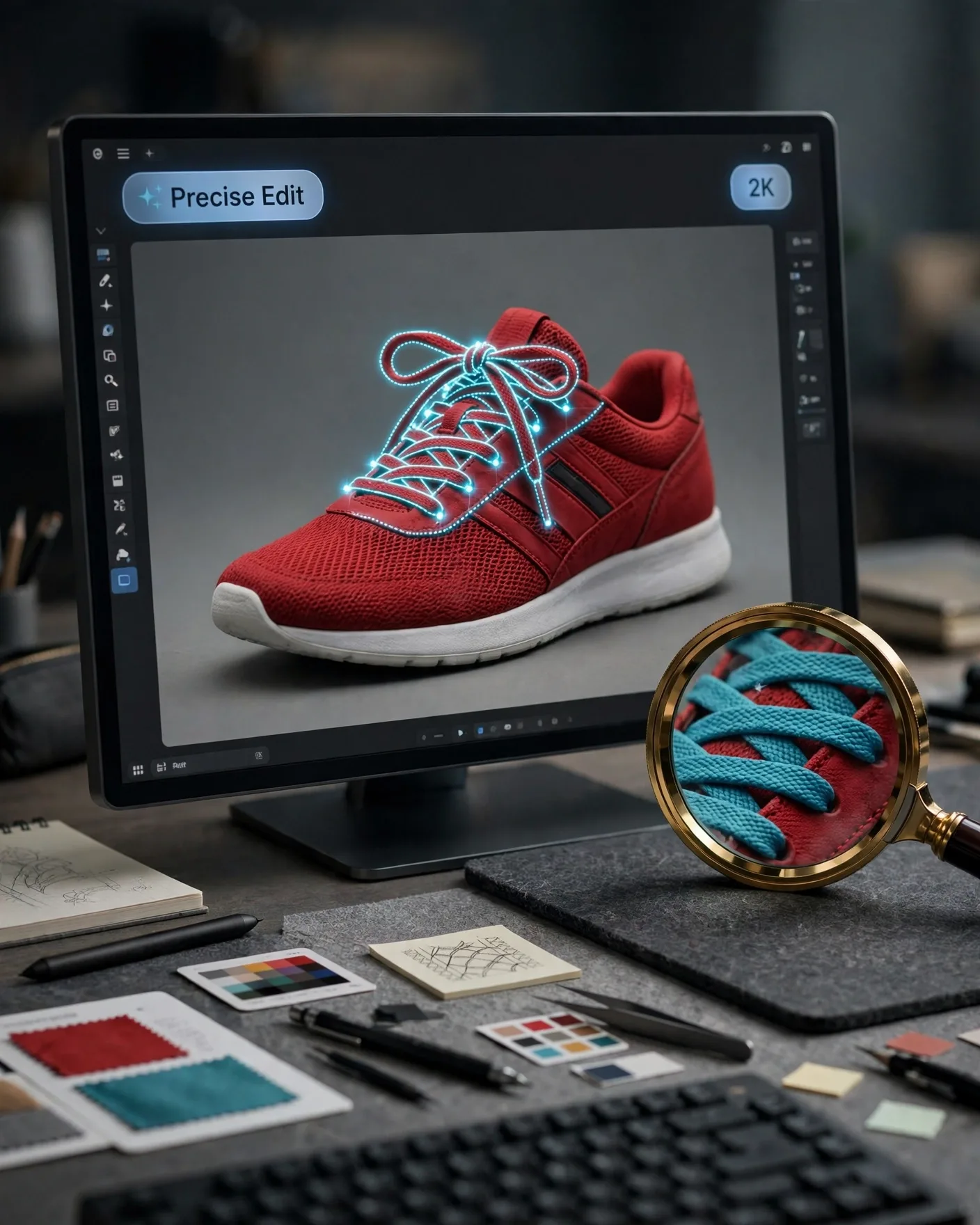
Ideogram 4.5's headline feature is Precise Edit, a new editing architecture designed specifically to kill drift. When you request an edit, the model confines the change to the exact region you specify — the rest of the image is preserved untouched at full sharpness. Repeated edits no longer accumulate pixel shifts, color changes, or texture artifacts. In practical terms: round ten of your edit session should look as clean as round one, with only your requested change applied each time.
Key Specs, Pricing, and Availability
The model ships with native 2K resolution output across all four quality tiers, and pricing runs from $0.008 to $0.22 per image depending on tier. It is available now in the Ideogram web app and the developer API. Launch partners include Picsart, Runway, Pika, and Leonardo AI, and the company has announced an open-weight release — though no date has been set yet.
| Spec | Detail |
|---|---|
| Resolution | Native 2K on all quality tiers |
| Pricing | $0.008–$0.22 per image by tier |
| Availability | Ideogram web app + developer API |
| Launch partners | Picsart, Runway, Pika, Leonardo AI |
| Open weights | Announced, no date yet |
The Company's Big Claim — Read It Carefully
In its announcement, Ideogram showed side-by-sides claiming that rival models accumulate visible artifacts within a few edit rounds where 4.5 holds up. Treat that as marketing, not an independent benchmark: company-chosen comparisons always favor the home team. The interesting part is not that 4.5 beats the competition on a cherry-picked demo, but that editing architecture itself is finally being treated as a first-class problem — whoever wins the round, drift-free editing is now the bar.
“The most precise edit model we have ever shipped.”
Best Use Cases for Prompt Creators
Precise Edit is built for exactly the jobs that used to need Photoshop or painful mask work. Product photography is the obvious one: swap backgrounds, change colors, or fix labels across a whole catalog shoot without regenerating the product. Interior designers can restyle one wall or one piece of furniture while the room stays identical. Photo restorers get multi-pass repair without cumulative damage. And Ideogram's long-standing strength — legible in-image text — finally pairs with editing that does not wreck the surrounding pixels.
- Product photography: swap backgrounds, colors, and labels while the product stays identical
- Interior design: restyle one wall or furniture piece, keep the room exactly the same
- Photo restoration: multi-pass repair with no cumulative quality damage
- In-image text editing: fix a sign or label without regenerating the scene
Frequently Asked Questions
Does Precise Edit replace masks and inpainting workflows?
For most multi-turn editing, yes — the region-locked edit replaces manual masking with plain-language region descriptions. Precision masking still has a place when you need pixel-exact control, but for everyday edits the prompt alone is now enough.
How does Ideogram 4.5 compare to Nano Banana 2.1?
Nano Banana 2.1 (Google's mask-based editing model) remains strong on guided region editing with masks. Ideogram 4.5's pitch is drift-free multi-turn editing without manual masks. They solve adjacent problems; expect independent comparisons before choosing.
When are the open weights coming?
Ideogram has announced an open-weight release for 4.5 but has not given a date. Until then, the model is only available through Ideogram's app, API, and launch partners.
What does each image cost?
Pricing runs $0.008 to $0.22 per image across four quality tiers, with native 2K output on every tier — cheap enough to iterate, with the top tier for final renders.
Related Prompts
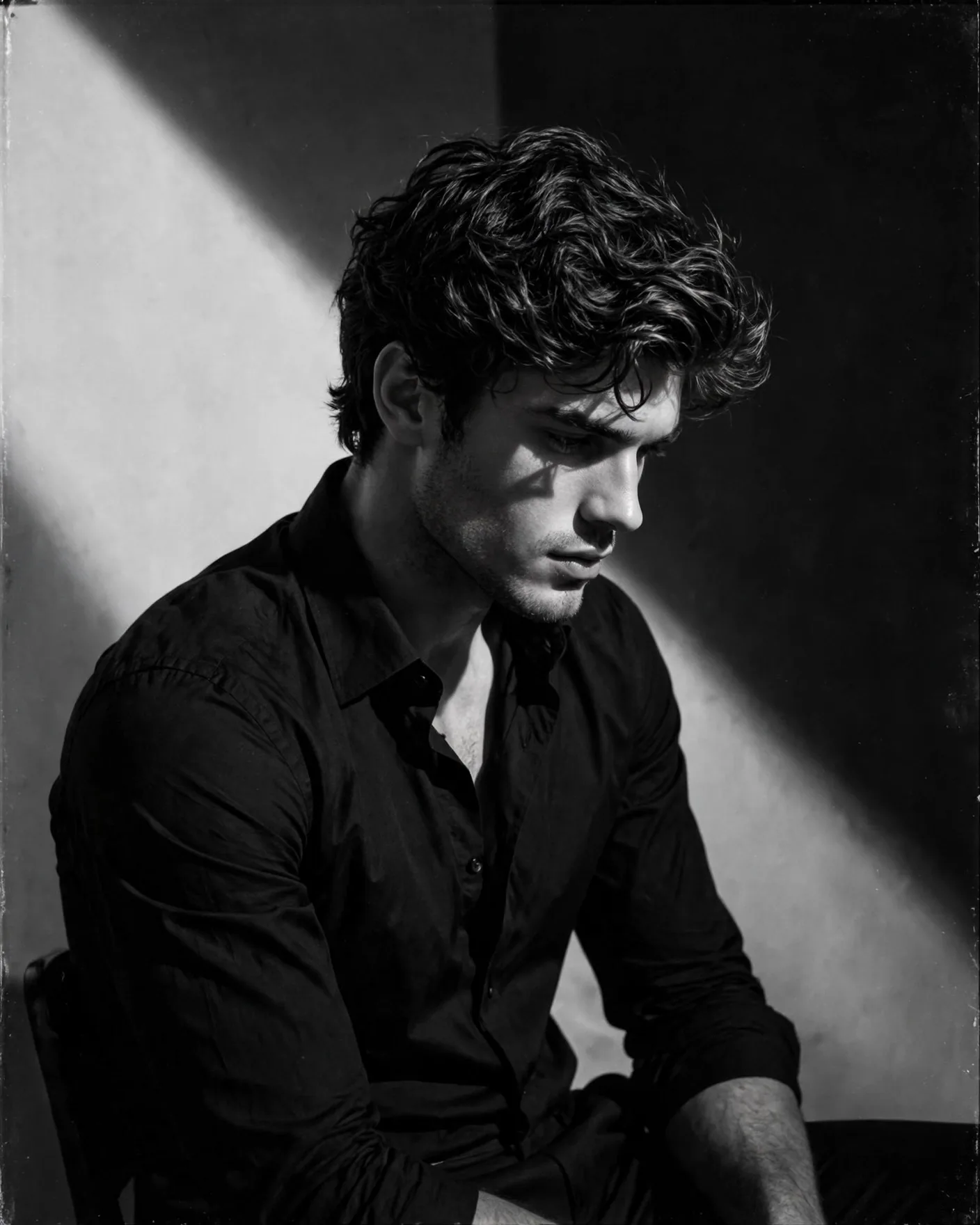
Rembrandt Noir Men's Portrait Prompt — Diagonal Light Beam (4:5)
ChatGPT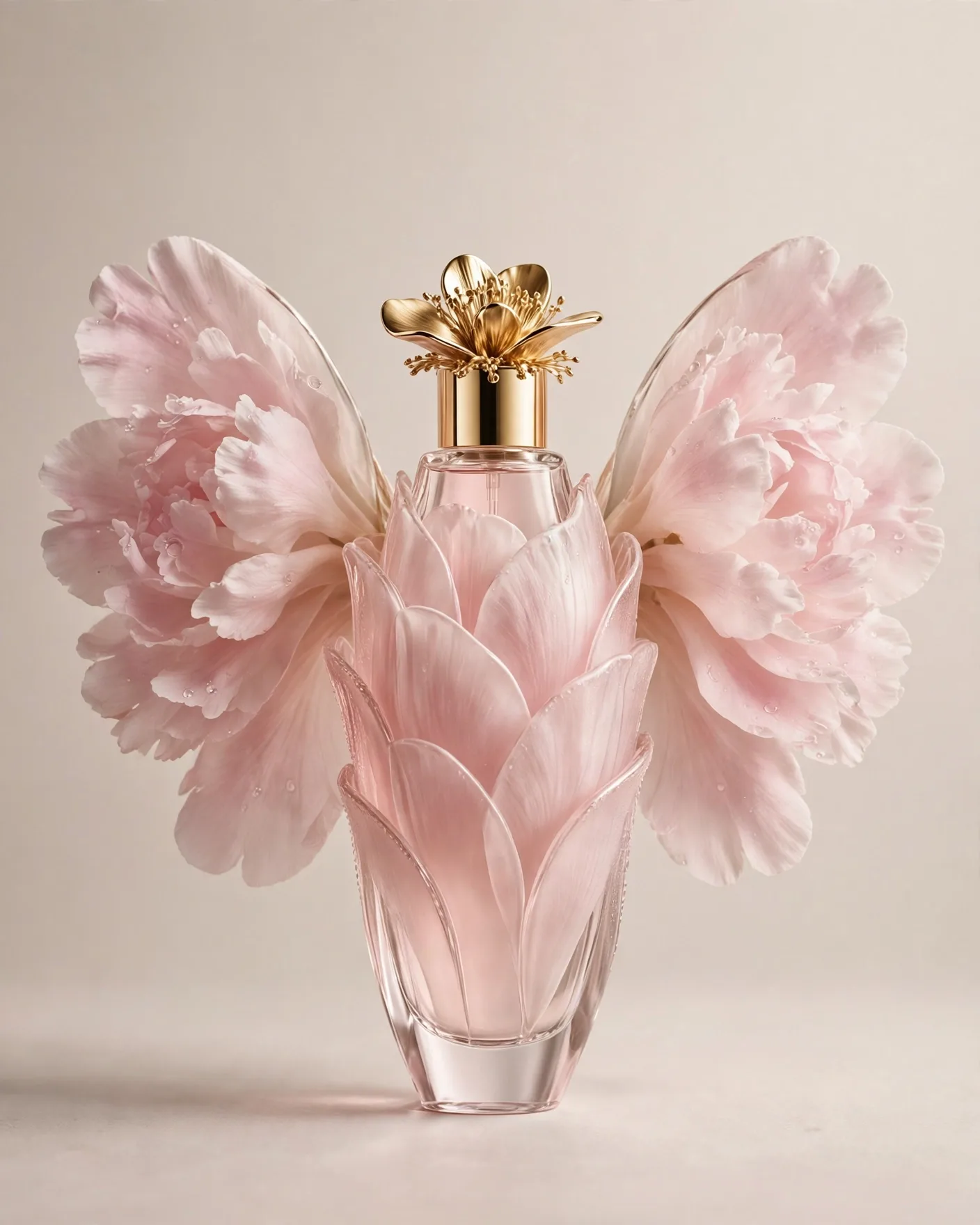
Surreal Universal Ad Template Prompt — Any Product, One Twist (4:5)
ChatGPT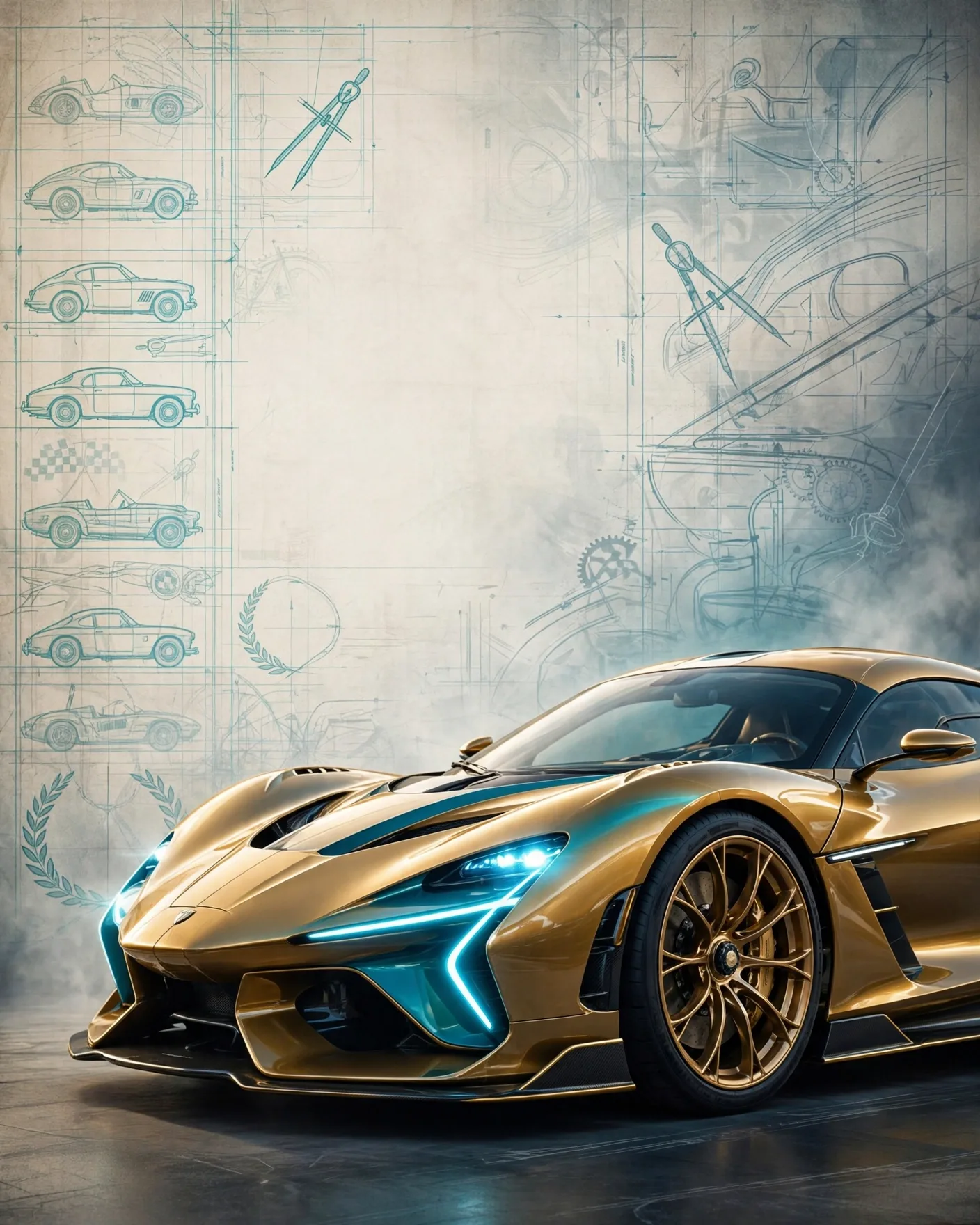
Epic Automotive Collector Poster Prompt — Hero Car Key Art (4:5)
ChatGPT