


What Anthropic Announced
On September 22, 2026, Anthropic introduced Claude Opus 5.5 — the first model in the new Claude 5.5 family. It performs at the level of Claude Fable 5.1 on most work and costs 40% less to run than Opus 5. Anthropic calls it the new leading model, and it was tested before release by external evaluators including METR. Sonnet 5.5 and Haiku 5.5 follow in the coming weeks.
The Price Breakdown
| Price per 1M tokens | Claude Opus 5.5 | Claude Opus 5 | Change |
|---|---|---|---|
| Input | $4 | $5 | 20% less |
| Output | $20 | $25 | 20% less |
| Cache reads | $0.20 | $0.50 | 60% less |
| Cache writes | $5 | $6.25 | 20% less |
The cache-read cut is the one that compounds: Anthropic notes cache reads make up the majority of agentic and coding work costs. Combined with fewer tokens per task, Anthropic's tests show Opus 5.5 costs 40% less than Opus 5 on typical workloads at default settings — and generates output more than 30% faster.
Performance Highlights
- Agentic coding: 66.4% on Terminal-Bench 4.0 and 57.8% on CursorBench 4.0 — leading Anthropic's comparison table, ahead of Fable 5.1, Opus 5 and GPT-6 Astra on several coding benchmarks
- Knowledge work: 1846 Elo on GDPval-AA v2.1 (real-world work across 44 occupations), ahead of Fable 5.1 (1735) and Opus 5 (1708)
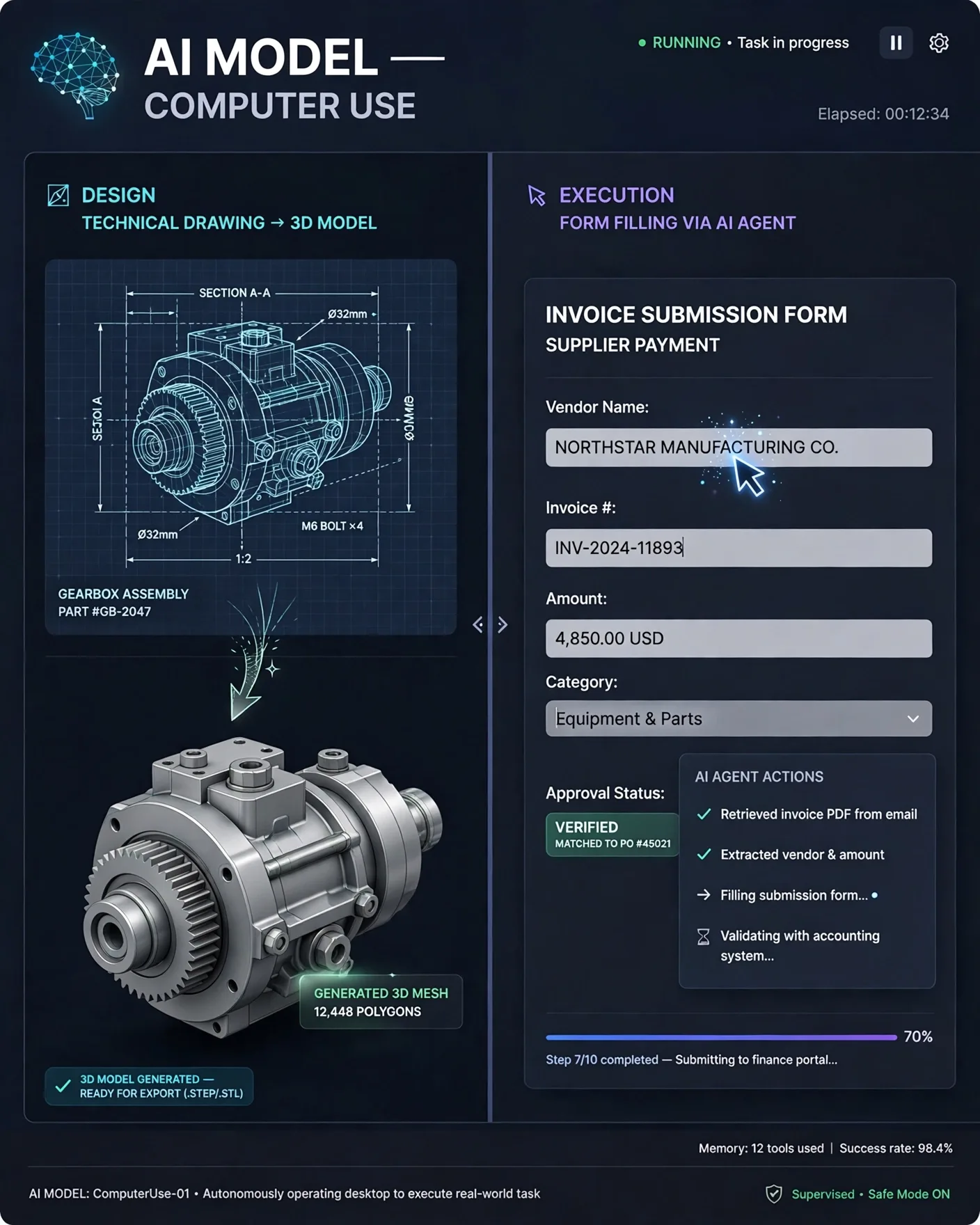
- Computer use: 81.8% on OSWorld 2.1
- Real-world tests: a 680,000-line code migration completed in under a day — work Anthropic says would have taken an engineering team weeks
Anthropic is candid that benchmark margins at this level are a less reliable guide to real-world differences than they used to be — the company says the gap between Opus 5.5 and Fable 5.1 in its own use is narrower than the scores suggest. The efficiency story (same-tier work, ~40% of the cost of GPT-6 Astra on Terminal-Bench 4.0, per Anthropic) is the more durable claim.
“Developers want agents that can take on real software work and finish it.”
Safety and Alignment
On Anthropic's automated behavioral audit — described as the most comprehensive alignment test the company runs — Opus 5.5 is the strongest-performing model tested to date. Anthropic says it is much less likely than recent models to take hard-to-reverse actions or act outside its boundaries, and more resistant to prompt injection than Opus 5. Because it is comparable to Claude Mythos 5.1 in biology and cybersecurity, it ships with Fable 5.1-level safeguards; vetted organizations can apply to use it for biology research today.
What It Means for Creators and Prompt Engineers
Opus 5.5 is a text-and-reasoning model, not an image generator — but it matters for the prompt craft. Cheaper, faster frontier reasoning means longer multi-step creative workflows (research → outline → draft → revise) become economical, and the improved communication — Anthropic says it puts the most important information up front and follows writing rules better — makes it a stronger partner for developing the prompt systems behind image and video work. Subscription users also get higher five-hour usage limits on Pro, Max, Team and Enterprise plans.
Frequently Asked Questions
How much does Claude Opus 5.5 cost?
It is priced at $4 per million input tokens and $20 per million output tokens, with cache reads at $0.20 per million. Anthropic says that nets out to about 40% less than Opus 5 on typical workloads, with output generated more than 30% faster.
Is Opus 5.5 better than Claude Fable 5.1?
Anthropic says Opus 5.5 performs at Fable 5.1's level on most work, leads on several coding and knowledge-work benchmarks, and costs 40% less to run than Opus 5. Fable 5.1 remains the flagship for the most demanding work, while Mythos 5.1 stays restricted to select institutions.
When do Sonnet 5.5 and Haiku 5.5 arrive?
Anthropic says Claude Sonnet 5.5 and Claude Haiku 5.5 will follow in the coming weeks, with many of the same improvements to performance, efficiency and safety.
Is Claude Opus 5.5 good for coding agents?
That is its strongest pitch. Anthropic reports leading scores on agentic coding benchmarks, plus striking real-world tests: a 680,000-line migration in under a day and a 200,000-line codebase audit in under three hours. It is also more resistant to prompt injection than Opus 5, which matters for agents that browse and run tools.
Related Prompts

Conceptual Packaging Design Prompt — One Truth, One Clever Pack Idea
ChatGPT
Vintage Lithograph Poster Prompt — Two-Ink Print, Bold Posterized Art
ChatGPT
Event Poster Design Template Prompt — Any Theme, One Striking Layout
ChatGPT