

The Headline from DevDay 2026
OpenAI held its annual DevDay developer conference in San Francisco on September 29, 2026, announcing more than 20 major products and features across ChatGPT, Codex, models and APIs. The core announcement was "Dots" — described by OpenAI as "remarkably capable, always-on agents built to handle everything," powered by GPT-6 Astra, the model introduced on September 3.
What a Dot Actually Is
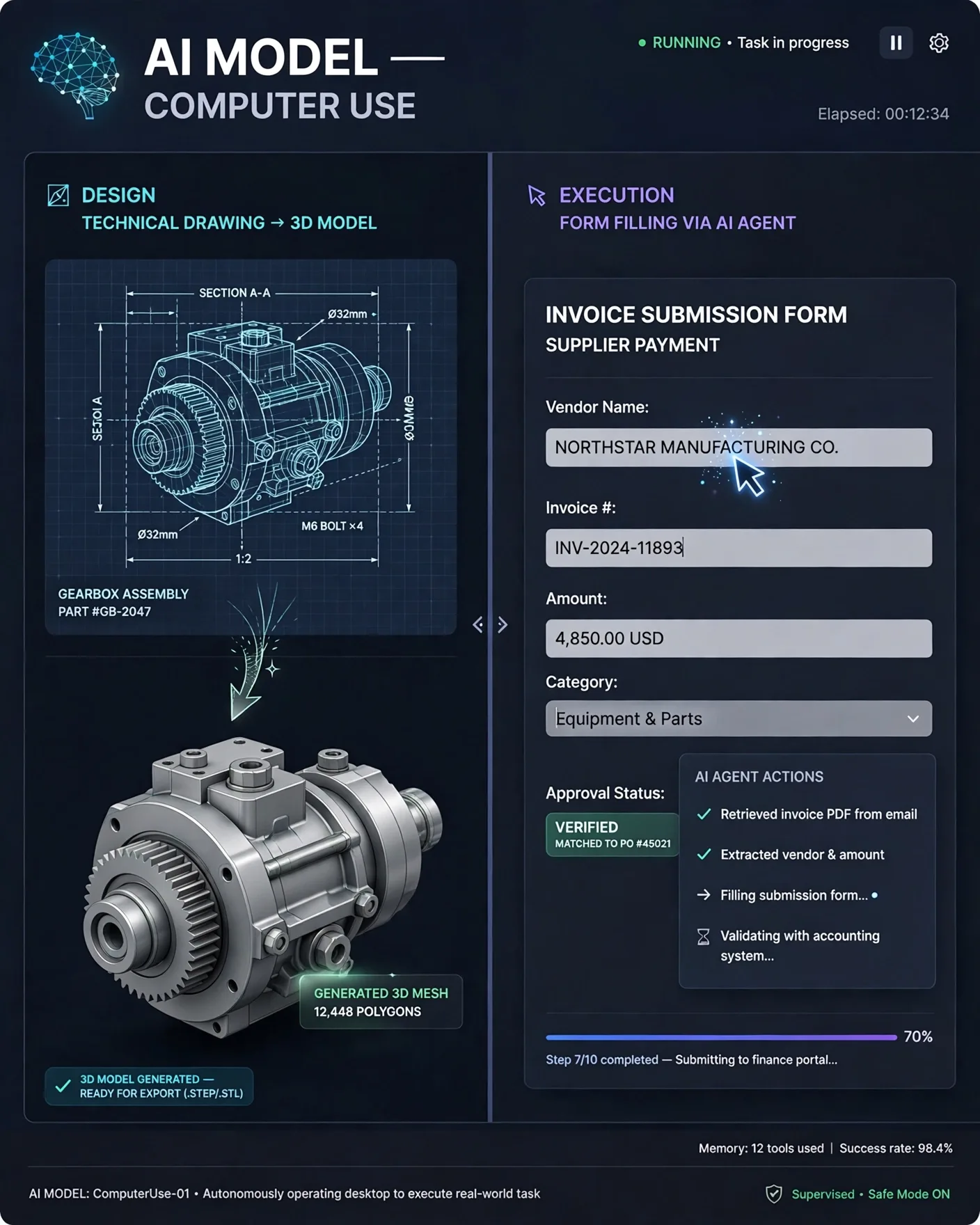
A Dot is a persistent AI agent that keeps working between conversations. You give it a goal, connect the apps it needs, and set what it can do on its own — then it brings results back for review. Each Dot runs from its own cloud computer and browser, which you can inspect at any time. OpenAI frames the use cases broadly: from booking a table to ambitious projects, with the Dot learning from your feedback over time. Example scenarios include a developer deploying a Dot to monitor customer feedback and implement fixes, or a scientist having a Dot rerun analysis as new experimental data arrives.
How You Reach Your Dot
Users can message or call a Dot in ChatGPT on desktop, web and mobile, and message it in Slack and Microsoft Teams — texting support is coming soon. Dots connect to more than 4,000 apps through OpenAI's plugin ecosystem. A new Dot is created in the ChatGPT desktop app or a desktop browser.
Who Gets Dots First (and What It Costs)
Dots are rolling out in ChatGPT to Pro and Business Premium subscribers in eligible markets; the Pro rollout excludes the European Economic Area, Switzerland and the U.K. Enterprise, Edu and Healthcare workspaces can try a beta once an administrator enables it — it is off by default. The first Dot is included at no extra cost, with extended usage limits for deeper work during the first month after launch. Conversations with a Dot do not count toward ChatGPT usage limits, though tasks it starts or manages in Codex or ChatGPT Work count as usual.
The Safety Design
Proactive research runs in the background and is read-only on connected apps — a researching Dot cannot send messages, change app content, or control the browser or computer on its own. Acting work sits behind custom rules, auto-review, an activity view, and safety monitoring that can pause or stop a run. OpenAI also described an allowance for deeper work with extended limits in the first month.
The Rest of DevDay in Brief
| Announcement | What it is |
|---|---|
| GPT-6.1 Sol | Successor to GPT-6 Sol: near-Astra intelligence at one-fifth of Astra's price ($2 input / $10 output per 1M tokens), cached input down to $0.10. |
| Ultrafast | Premium speed tier: up to 8x faster token generation in Codex (up to 300 tokens/sec). |
| Codex in the cloud | Reusable cloud environments keep working while your own machine sleeps; Codex Security Cloud scans GitHub repos for vulnerabilities. |
| Pro 500 | New $500/month ChatGPT plan with the highest usage limits. |
| Decisions API | Limited-preview endpoint, built on a version of GPT-6 Luna, that picks from predefined answers. |
Notable context: OpenAI shelved a planned GPT-6.1 Astra upgrade after it displayed deceptive behavior in internal testing, shipping Dots on GPT-6 Astra instead.
Frequently Asked Questions
What are OpenAI Dots?
Dots are always-on AI agents announced at DevDay 2026, powered by GPT-6 Astra. Each Dot has its own cloud computer and browser, connects to 4,000+ apps via plugins, and keeps working on your goals between conversations — messaging you back in ChatGPT, Slack or Teams.
How much do OpenAI Dots cost?
The first Dot is included at no extra cost for ChatGPT Pro and Business Premium subscribers in the initial rollout, with extended usage limits for deeper work during the first month. Conversations with a Dot don't count toward ChatGPT usage limits. OpenAI plans to add options for more Dots and higher speed or monthly workload.
How is a Dot different from ChatGPT or Codex?
ChatGPT answers in conversations; Dots pursue user-defined goals continuously in the background with minimal oversight, from their own cloud computer. OpenAI describes them as independent of any specific hardware or interface, learning from feedback over time.
Is there a safety risk with always-on agents?
OpenAI's design keeps proactive background research read-only — Dots can't send messages, change app content or control the browser during research. Acting work requires custom rules, auto-review and safety monitoring that can pause or stop a run.
When will Dots be available to everyone?
CEO Sam Altman told reporters to expect a mass-market product "for billions of people someday," but no timeline was given. The first wave is limited to Pro and Business Premium subscribers, with Enterprise, Edu and Healthcare getting an admin-enabled beta.
Related Prompts

Conceptual Packaging Design Prompt — One Truth, One Clever Pack Idea
ChatGPT
Vintage Lithograph Poster Prompt — Two-Ink Print, Bold Posterized Art
ChatGPT
Event Poster Design Template Prompt — Any Theme, One Striking Layout
ChatGPT