


What Is a "False Front" Operation?
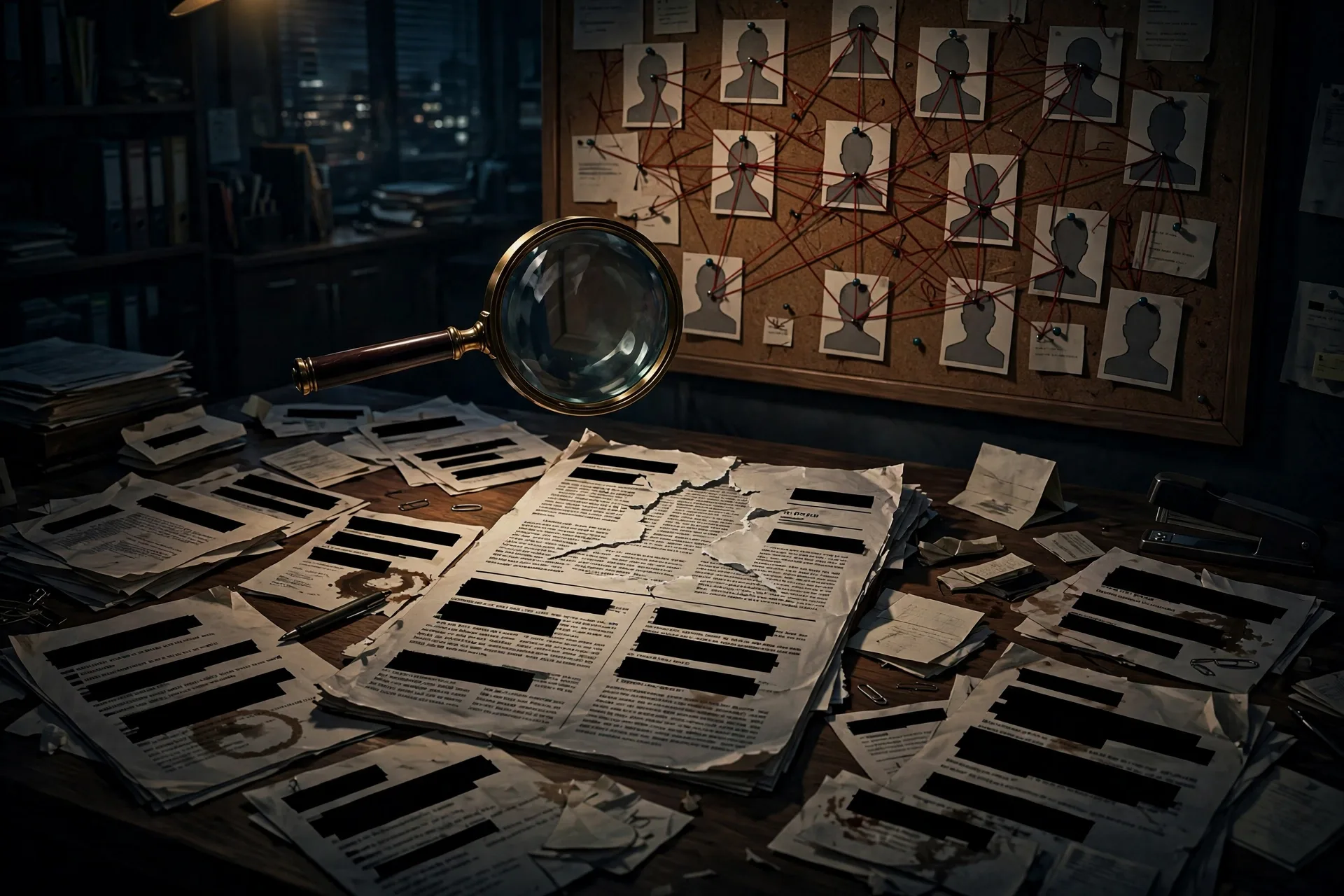
On October 8, 2026, OpenAI published a threat-intelligence report titled "Disrupting AI-enabled 'false front' operations." It revealed that OpenAI banned two covert influence operations — one originating in Russia and one in Iran — that used ChatGPT alongside traditional techniques to support what OpenAI calls "false front" entities: fake organizations and personas used to launder geopolitical, conflict-related messaging into target audiences. Unlike simple bot farms, these operations built realistic fronts that placed content in real media outlets, giving them what OpenAI says is the highest potential reach of anything it has disrupted in two and a half years.
Dark Clark: The Fake Think Tank in Latin America
The Russia-origin operation, tracked by OpenAI under the codename "Dark Clark," appears to have co-opted unwitting people in Latin America to run a self-styled research platform — the Social Research Center — on the ground. A fake online persona named "Mia Clark" managed the operation, while local staff conducted real interviews and drafted original research on regional politics, apparently unaware of who was behind it. The operators also created fake "leaked" documents and audio scripts aimed at undermining Ukraine and political leaders in countries including Argentina, Bolivia, and Ecuador. OpenAI rated this operation Category 5 on its six-point IO Breakout Scale — the first Category 5 operation it has ever disrupted.
Bogus Bylines: Seven Fake Journalists from Iran
The Iran-origin operation ran a stable of seven fake journalist personas — each claiming to be a Western freelancer, including one named "Ervin B. Hoskins" — that pitched long-form articles to small and medium online outlets around the world. OpenAI identified almost 100 articles published or syndicated under the operation's bylines across roughly a dozen outlets, mostly focused on international affairs and the Middle East. The earliest article dated to July 2025 and the latest to October 2026, with publishing frequency rising after the US-Iran war began. OpenAI rated this campaign Category 4 on the same scale.
| Operation | Key details |
|---|---|
| Dark Clark (Russia) | Fake think tank in Latin America, persona "Mia Clark", rated Category 5. |
| Bogus Bylines (Iran) | 7 fake journalist personas, ~100 planted articles, rated Category 4. |
| Total exposed | 30 covert influence operations in the past two and a half years. |
A notable finding from the report is how the actors actually used AI. Both operations used ChatGPT mostly to draft internal progress reports and polish drafts rather than to generate campaign content itself — and OpenAI notes both operations used "questionable or outright deceitful methodologies to exaggerate the operators' effectiveness," meaning even their own claimed successes should be treated skeptically. The report compares the pair to pre-AI fronts like "Alice Donovan," a fake journalist persona linked to Russian intelligence whose articles ran in Western outlets in 2016 and 2017.
Frequently Asked Questions
What did OpenAI's October 2026 report find?
OpenAI banned two covert influence operations, one from Russia and one in Iran, that used ChatGPT to support "false front" entities — a fake think tank in Latin America and seven fake journalist personas. It rated the Russian operation Category 5 and the Iranian operation Category 4 on its six-point IO Breakout Scale.
What does Category 5 on the IO Breakout Scale mean?
OpenAI's IO Breakout Scale rates influence operations from 1 (lowest) to 6 (highest) by potential reach and impact. Category 5 is the highest level OpenAI has ever disrupted; the Russian "Dark Clark" operation is the first to reach it, largely because its content landed in real media outlets.
How did the operations actually use ChatGPT?
Mostly behind the scenes. OpenAI says both operations used AI to draft internal progress reports and polish text rather than to generate the campaign content itself, alongside traditional techniques like fake personas and planted articles.
What should media consumers take away from this?
The most effective modern influence campaigns don't look like bot farms — they look like real journalists, think tanks, and news outlets. Check author identities, look for transparency about funding and affiliations, and be skeptical of sensational claims that can't be verified.