Why Lighting Is the Biggest Quality Lever in Prompts
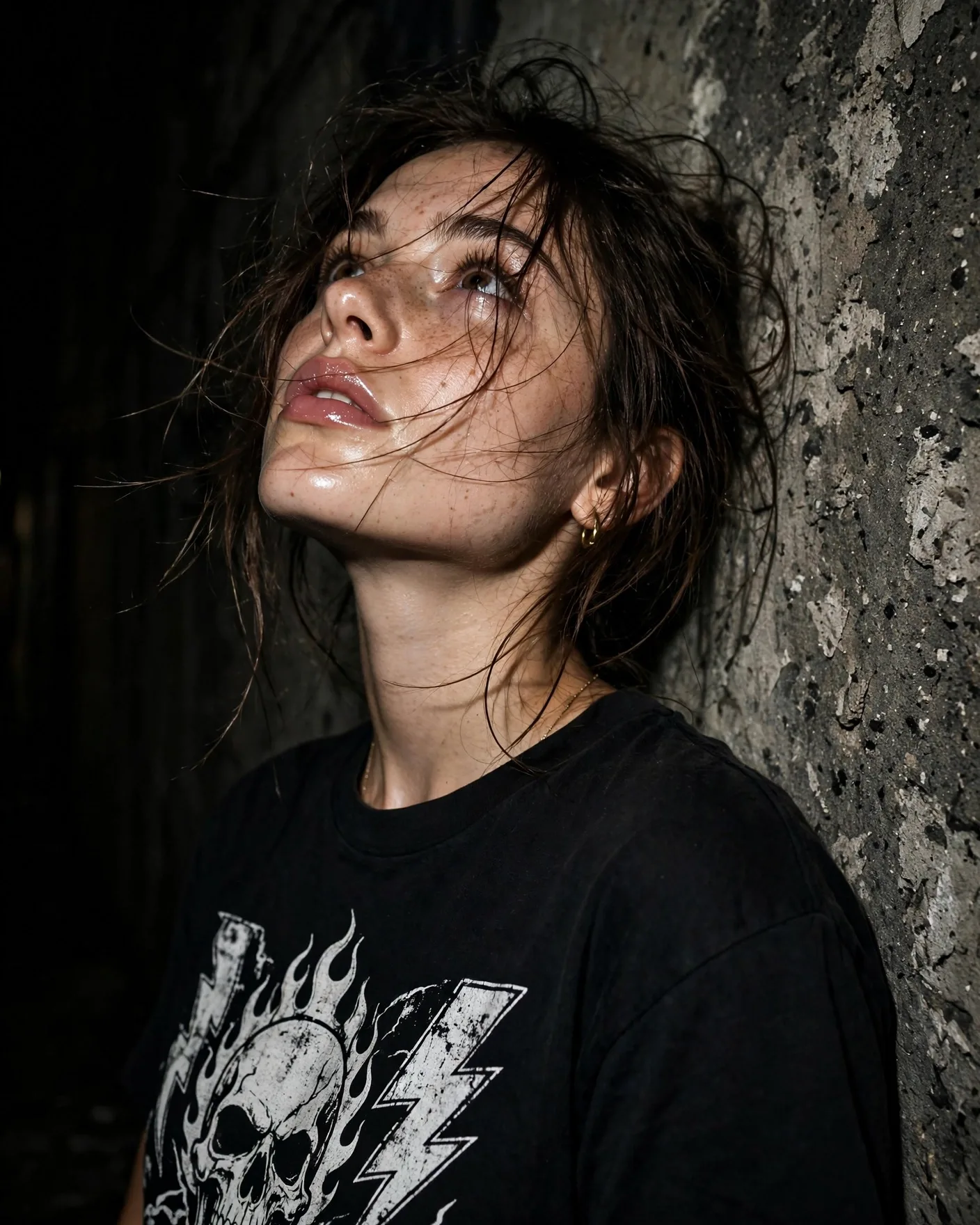
Most amateur AI images look flat not because of the subject, but because the prompt says nothing about light. Models like ChatGPT Images interpret lighting cues as instructions for mood, depth, and material quality — a single well-chosen lighting phrase can upgrade an image from stock-photo bland to film-still premium. The secret is that lighting isn't decoration: it determines shadow direction, skin rendering, color temperature, and the emotional register of the entire frame. Professional prompt writers describe light before they describe the subject.
The Core Lighting Vocabulary
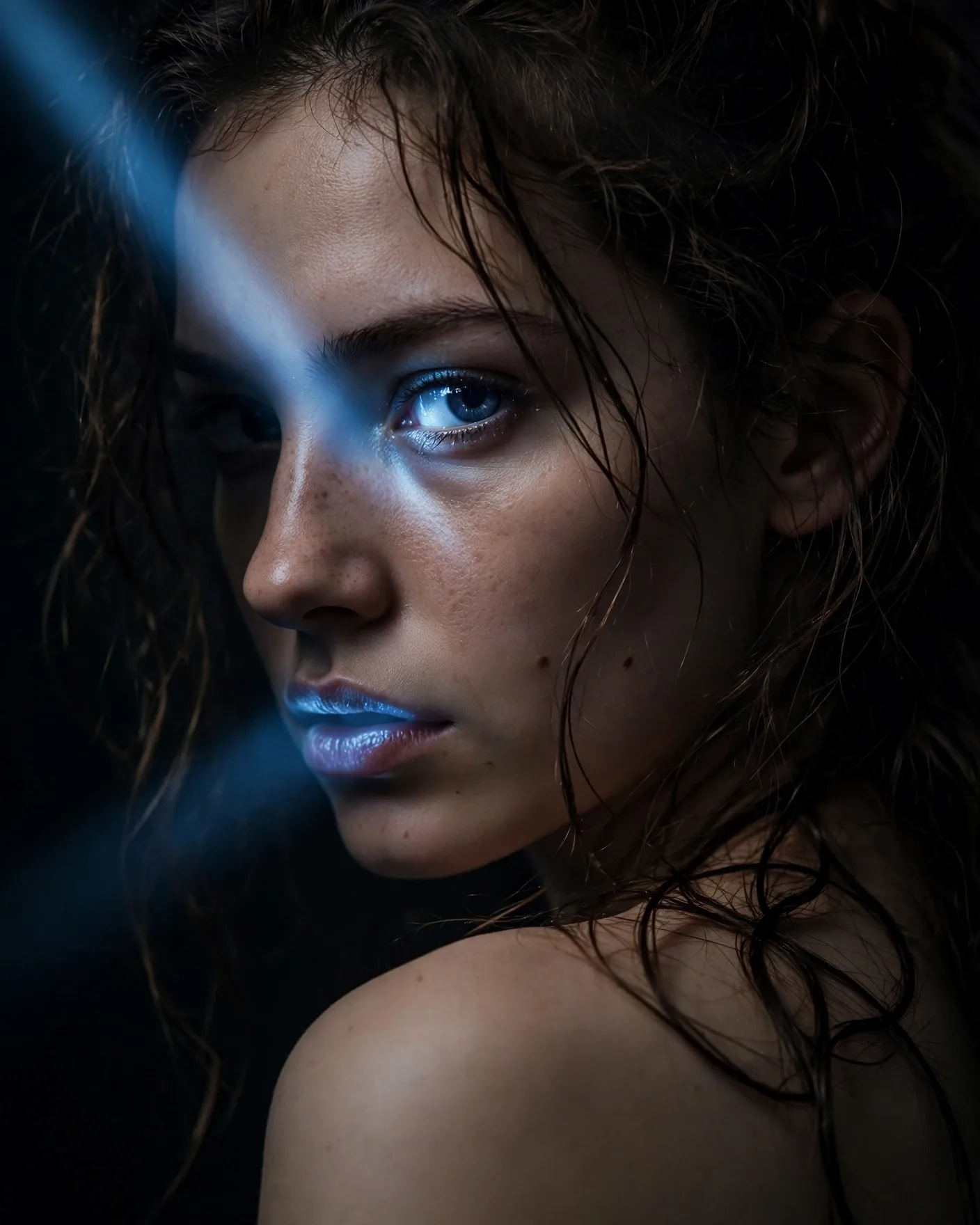
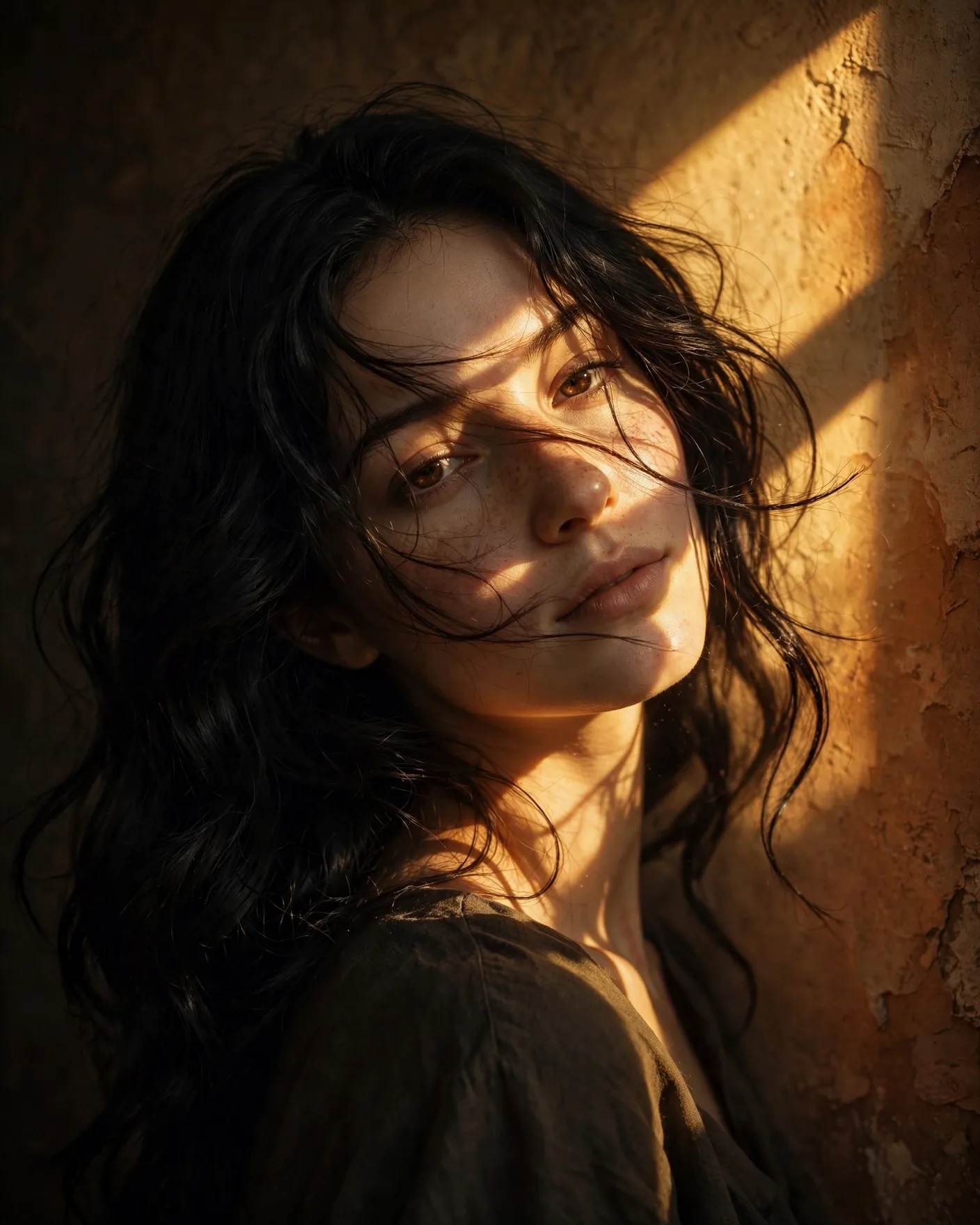
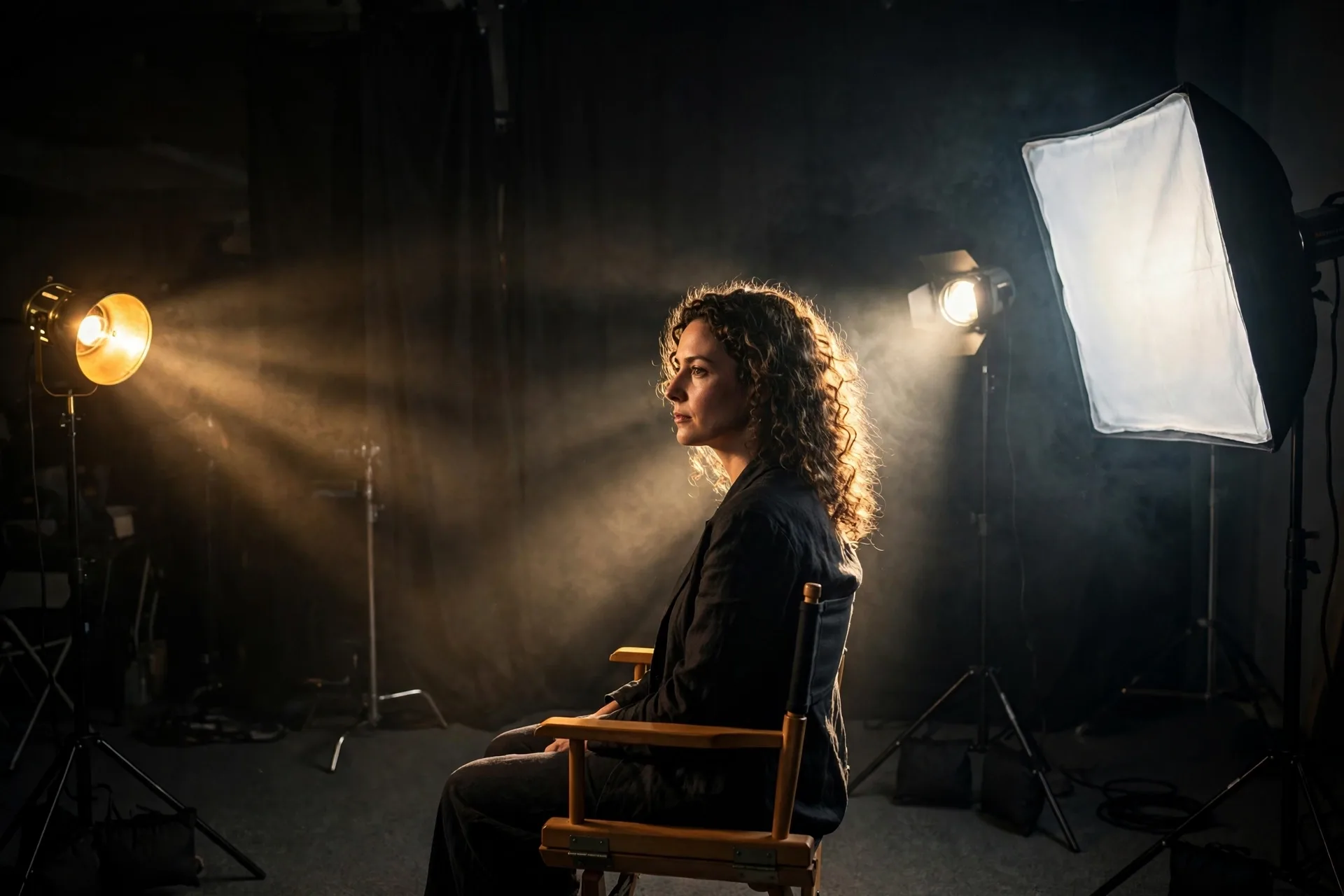
Learn these twelve lighting setups and you can direct light in almost any AI generator. Golden hour gives warm, low-angle sunlight with long shadows — the most flattering natural look for portraits. Blue hour is the cool, deep-blue twilight window after sunset, perfect for moody cityscapes. Rim light places a bright source behind the subject, tracing a glowing edge around hair and shoulders that separates them from the background. Volumetric lighting adds visible light shafts through haze or dust — think cathedral sunbeams. Low-key lighting uses mostly darkness with one dramatic source for film-noir intensity, while high-key floods the scene with bright, even light for clean commercial looks.
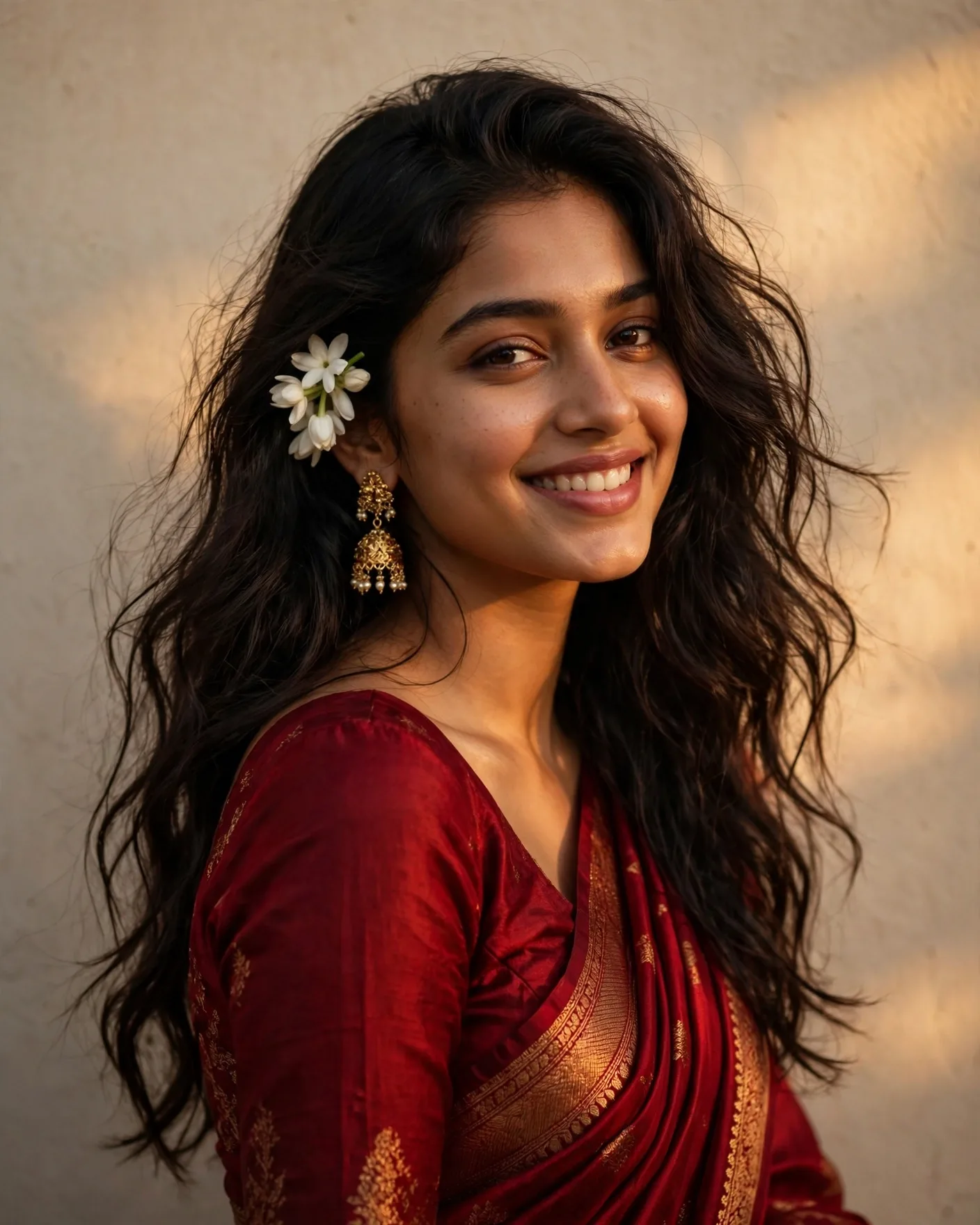
- Golden hour — warm low sun, long soft shadows
- Blue hour — deep-blue twilight, moody atmosphere
- Rim light / backlight — glowing edge separating subject from background
- Volumetric light — visible light shafts through haze or dust
- Low-key — dark scene with one dramatic source (noir)
- High-key — bright, even, shadowless (commercial)
- Rembrandt lighting — triangular cheek highlight, classic portrait
- Butterfly lighting — symmetrical overhead glamour light
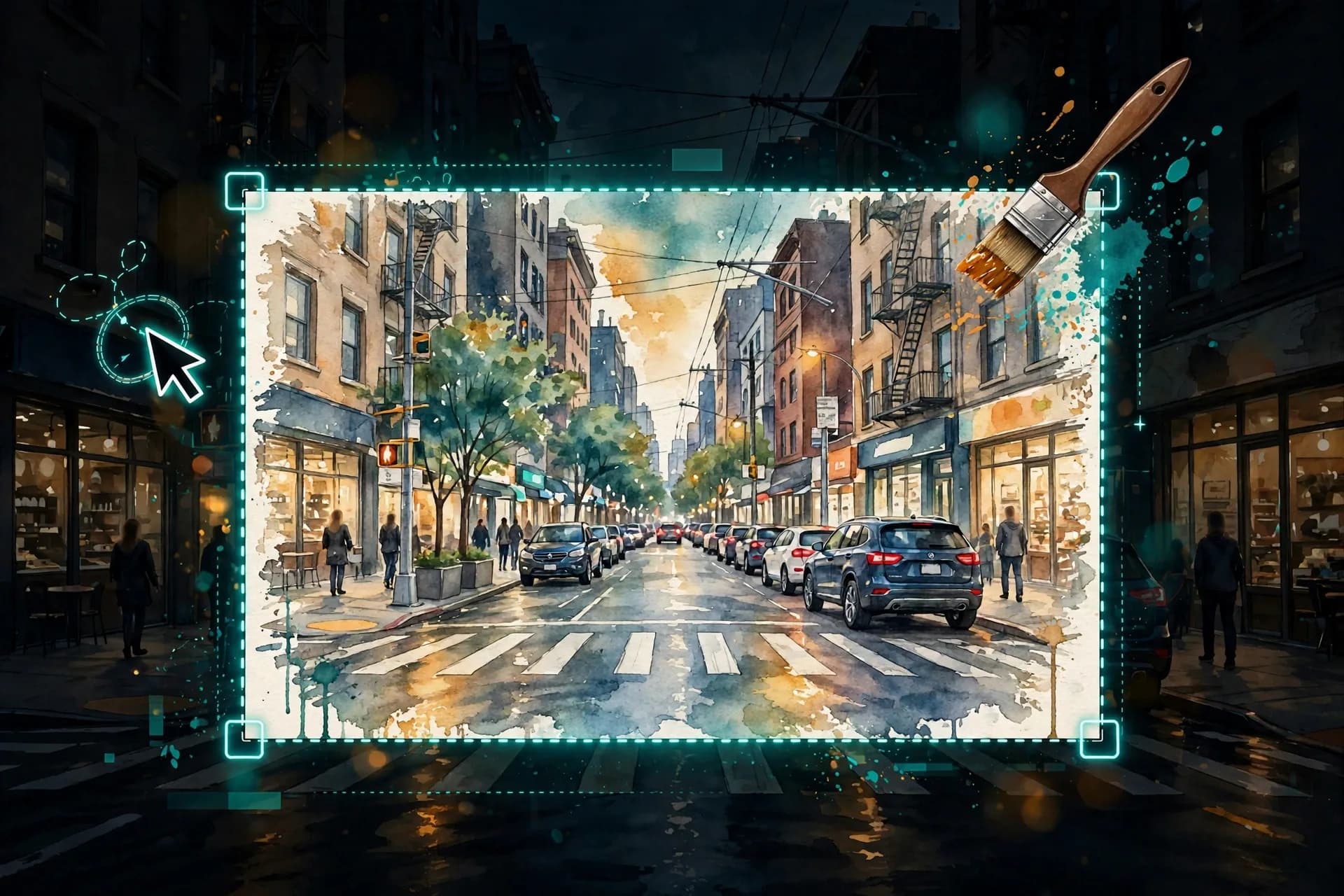
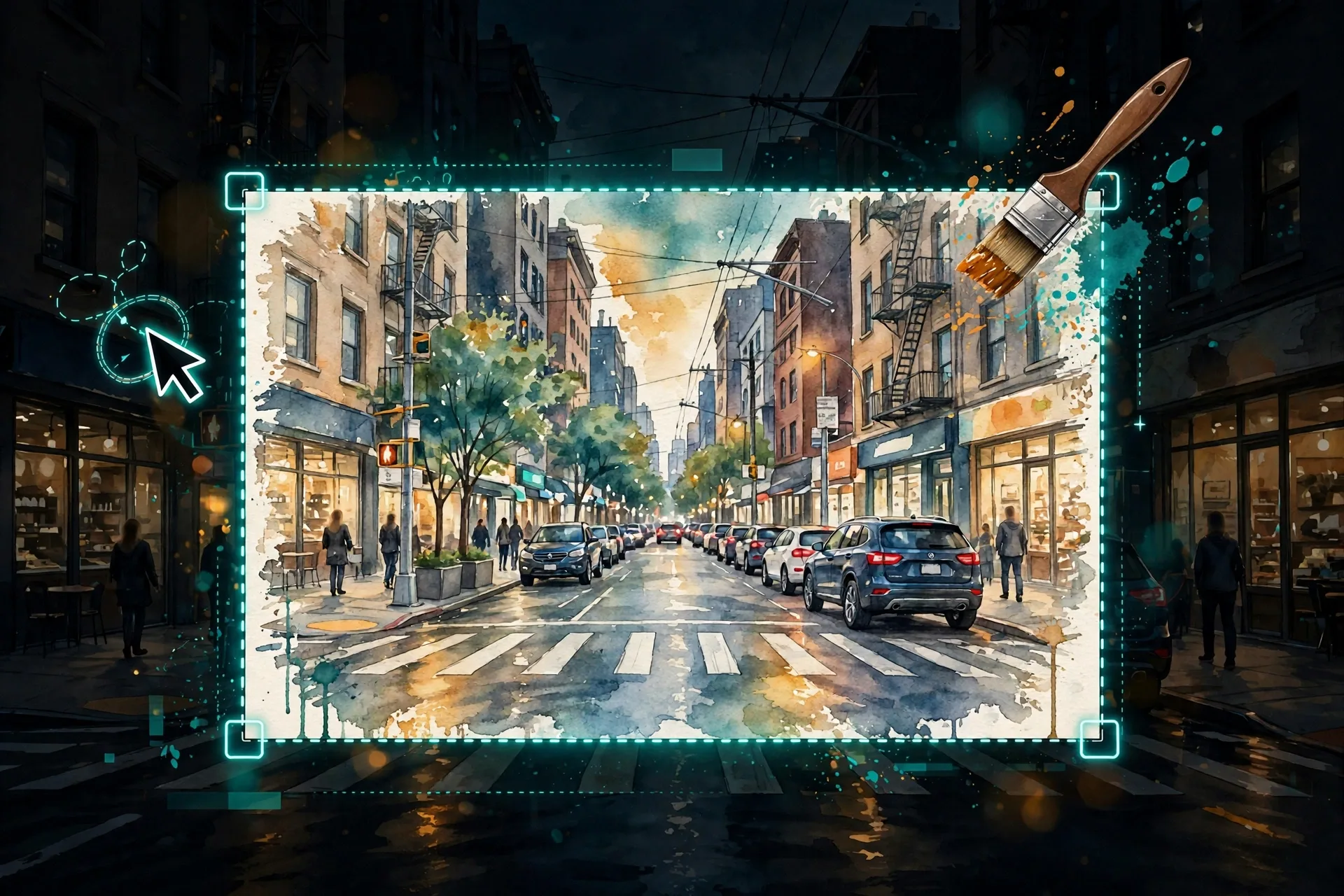
- Neon noir — colored neon signage on wet streets at night
- Chiaroscuro — extreme light-dark contrast, baroque drama
- Practical lights — lamps and signs glowing inside the scene
- Hard noon sun — harsh midday shadows, documentary realism
Structure: Put Lighting First in Your Prompt
The most reliable prompt architecture for premium results leads with the light: start with the lighting setup and camera, then the subject, then the environment, then mood and style. This ordering works because image models weight early tokens more heavily. A lighting-first prompt reads like a shot list: "Cinematic low-key portrait, single hard rim light from the left, deep shadows swallowing the background…" versus the common mistake of appending ", dramatic lighting" as an afterthought at the end, which the model often renders weakly or ignores.
Cinematic editorial portrait of a weathered fisherman, low-key lighting with a single warm practical lamp glowing from frame right, deep shadows swallowing the background, subtle rim light tracing his silhouette, volumetric dust drifting through the light beam, hyper-detailed skin texture, shot on medium format, shallow depth of field, moody film-noir atmosphere, color grade teal and amber, photorealistic
| Goal | Lighting to prompt |
|---|---|
| Heroic product shot | Hard rim light + dark background, subtle reflection. |
| Romantic portrait | Golden hour backlight, lens flare, soft fill. |
| Corporate headshot | High-key softbox lighting, clean white background. |
| Horror poster | Low-key single source, deep shadows, cold blue tint. |
| Cyberpunk street | Neon noir, wet asphalt reflections, volumetric haze. |
Frequently Asked Questions
What's the single biggest mistake in AI image lighting prompts?
Using vague words like "dramatic lighting" or "beautiful lighting." The model can't map those to anything concrete. Name the physical setup instead: source direction, hard or soft quality, and color temperature — e.g., "warm side light from frame left, deep shadows."
How many lighting styles should I put in one prompt?
One primary setup, plus optionally one color treatment. Stacking multiple lighting setups (golden hour + rim light + neon) creates muddy, conflicting light. Pick the single setup that matches the mood you want.
Do these techniques work for non-portrait subjects?
Yes. Cinematic lighting applies to products, architecture, landscapes, and food photography too. A product on a dark background with a hard rim light looks premium in the same way a low-key portrait does — light is light, regardless of subject.
Should lighting come first or last in a prompt?
Put it near the start, right after (or with) the camera description. Image models weight early tokens more heavily, so "cinematic low-key portrait, single hard rim light…" outperforms appending ", dramatic lighting" as an afterthought.