Editorial vs Portrait: What Changes
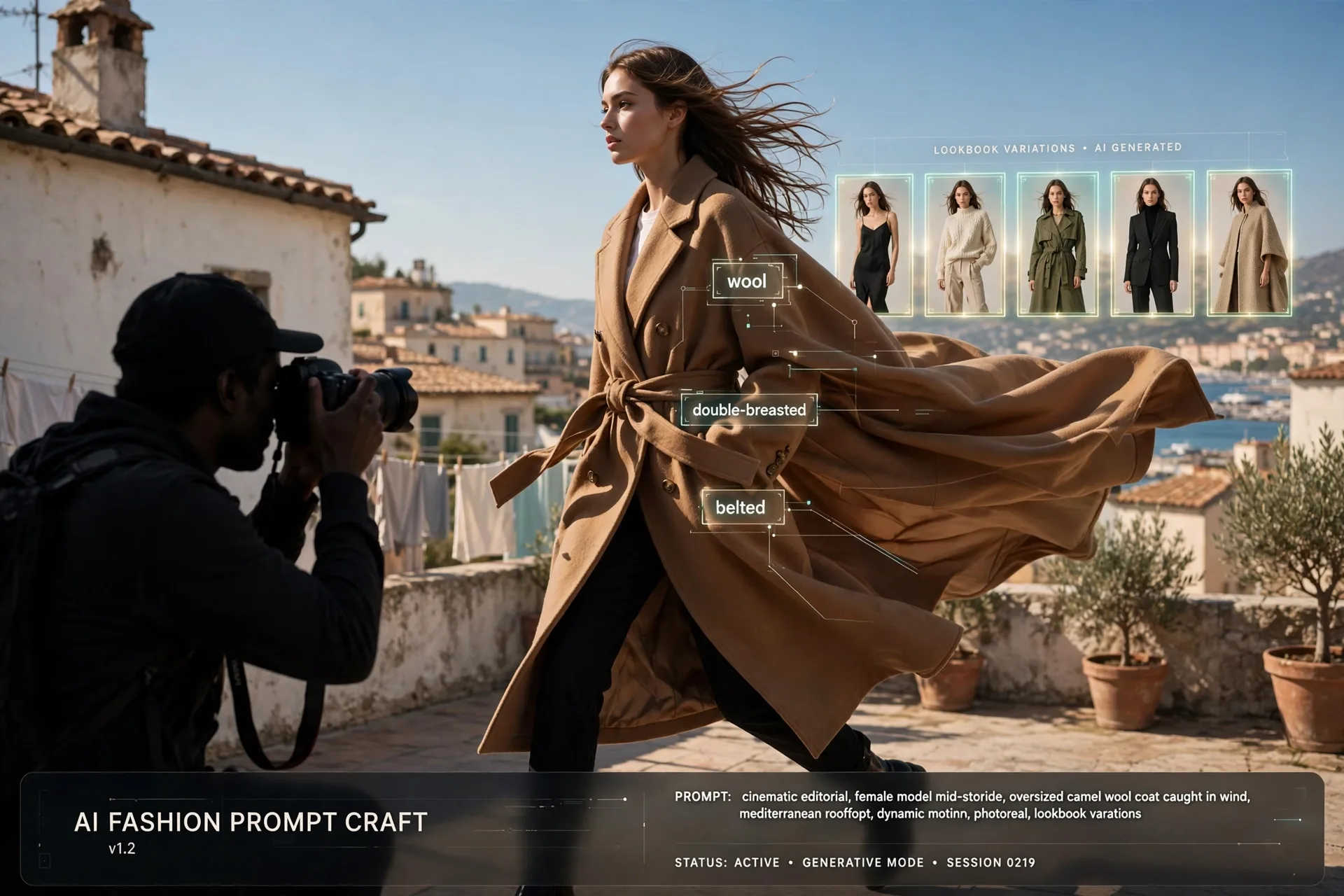
A portrait sells a face; a fashion editorial sells a story, a mood, and — critically — the garments. The model must render fabric texture, drape, and tailoring convincingly while keeping the pose and environment in service of the clothes. Generic prompts ("beautiful woman in a dress") produce glamour shots, not editorials. You have to brief the model like a stylist and art director at once: the outfit is the hero, everything else is the set.
The 6-Part Fashion Editorial Formula
- The outfit, precisely: garment type, fabric, color, cut, styling details ("oversized camel wool coat, double-breasted, belted, over a charcoal turtleneck")
- The pose with attitude: editorial posing words — contrapposto, walking mid-stride, wind in fabric, seated with elbows on knees
- The location as set design: brutalist concrete, Mediterranean rooftop, desert road, studio cyclorama — matched to the mood
- The light as fashion language: hard midday sun for drama, soft overcast for elegance, golden hour for romance
- The era/genre tag: "90s supermodel editorial", "Y2K streetwear lookbook", "quiet luxury campaign"
- The crop and framing: full-body for lookbooks, three-quarter for attitude, detail shot for fabric
Full-body fashion editorial: model mid-stride on a sun-bleached Mediterranean rooftop, oversized camel wool double-breasted coat belted at the waist over charcoal turtleneck and wide-leg trousers, leather loafers, wind catching the coat's hem, hard midday sunlight with crisp shadows, 90s supermodel attitude, chin slightly raised, shot on medium-format camera, 85mm lens, shallow depth of field, terracotta walls and blue sky, Vogue-style editorial photography
Posing Words That Sell the Story
Models pose stiffly unless you direct movement. Use motion words — "mid-stride", "coat caught by wind", "turning away, glancing back over shoulder", "leaning against the wall, one hand in pocket" — to get the kinetic energy editorials need. Pair the pose with an attitude word ("defiant", "nonchalant", "regal") and the generation gains the editorial charge that separates a spread from a catalog shot.
| Editorial mood | Pose language | Light + location pairing |
|---|---|---|
| Quiet luxury | Seated, relaxed, gaze direct | Soft overcast light, minimalist interior |
| Streetwear energy | Mid-stride, oversized layers, urban | Hard midday sun, concrete architecture |
| Romantic couture | Fabric in motion, backlit | Golden hour backlight, open landscape |
| Noir drama | Chin down, eyes up, trench coat | Low-key studio light, dark cyclorama |
Building a Coherent Lookbook Series
A lookbook is a set, not one image. Lock three anchors across every prompt: the same model description, the same light language, and the same era tag. Vary only the outfit and pose. Generate 6–10 looks with identical anchors and you get a spread that reads as one shoot — which is exactly how real lookbooks are art-directed.
“In a fashion editorial, the clothes are the headline and the model is the typography.”
Frequently Asked Questions
Why do AI fashion images look like glamour shots instead of editorials?
Because the prompt described a person, not a styled shoot. Shift the emphasis: lead with the full garment description, add editorial posing words and an era/genre tag ("90s supermodel editorial"), and frame the location as set design. The attitude language is what flips glamour into editorial.
How do I describe clothes so AI renders them believably?
Use the product-listing method: garment type, fabric, color, cut, and one styling detail. "Oversized camel wool double-breasted coat, belted, dropped shoulders" gives the model construction cues; vague words like "stylish coat" give it nothing to build on.
How do I keep a consistent model across a lookbook?
Repeat the exact same model description, light language, and era tag in every prompt, varying only the outfit and pose. That three-anchor lock is the whole trick — it reads as one art-directed shoot instead of ten random images.
Full-body or close-up for AI fashion prompts?
Full-body for lookbooks (the outfit needs to be seen), three-quarter for attitude and cover-style shots, and dedicated detail prompts ("macro shot of the coat's belted waist, fabric texture") for craftsmanship moments. Mix all three across a series for a real magazine feel.
Related Prompts
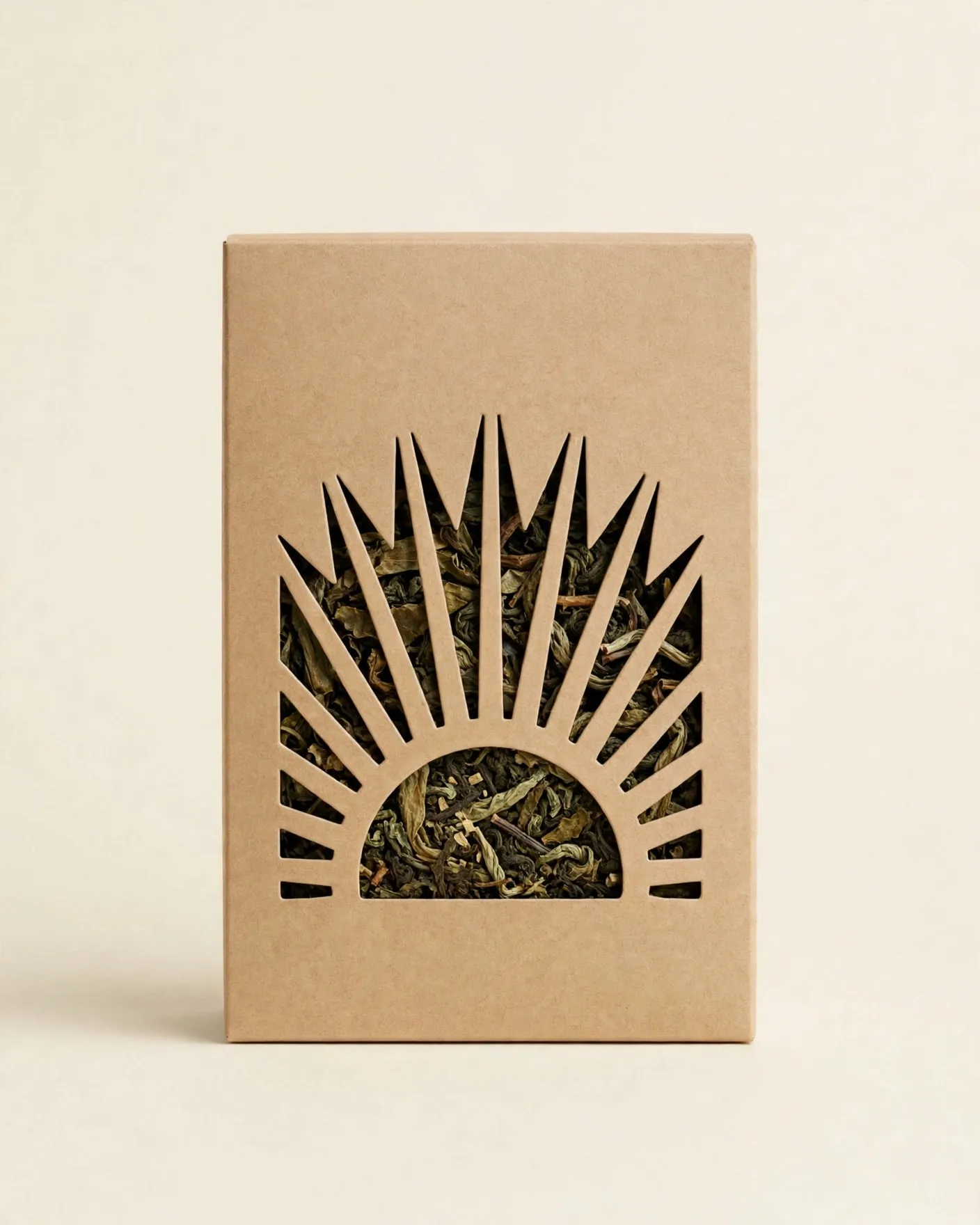
Conceptual Packaging Design Prompt — One Truth, One Clever Pack Idea
ChatGPT
Vintage Lithograph Poster Prompt — Two-Ink Print, Bold Posterized Art
ChatGPT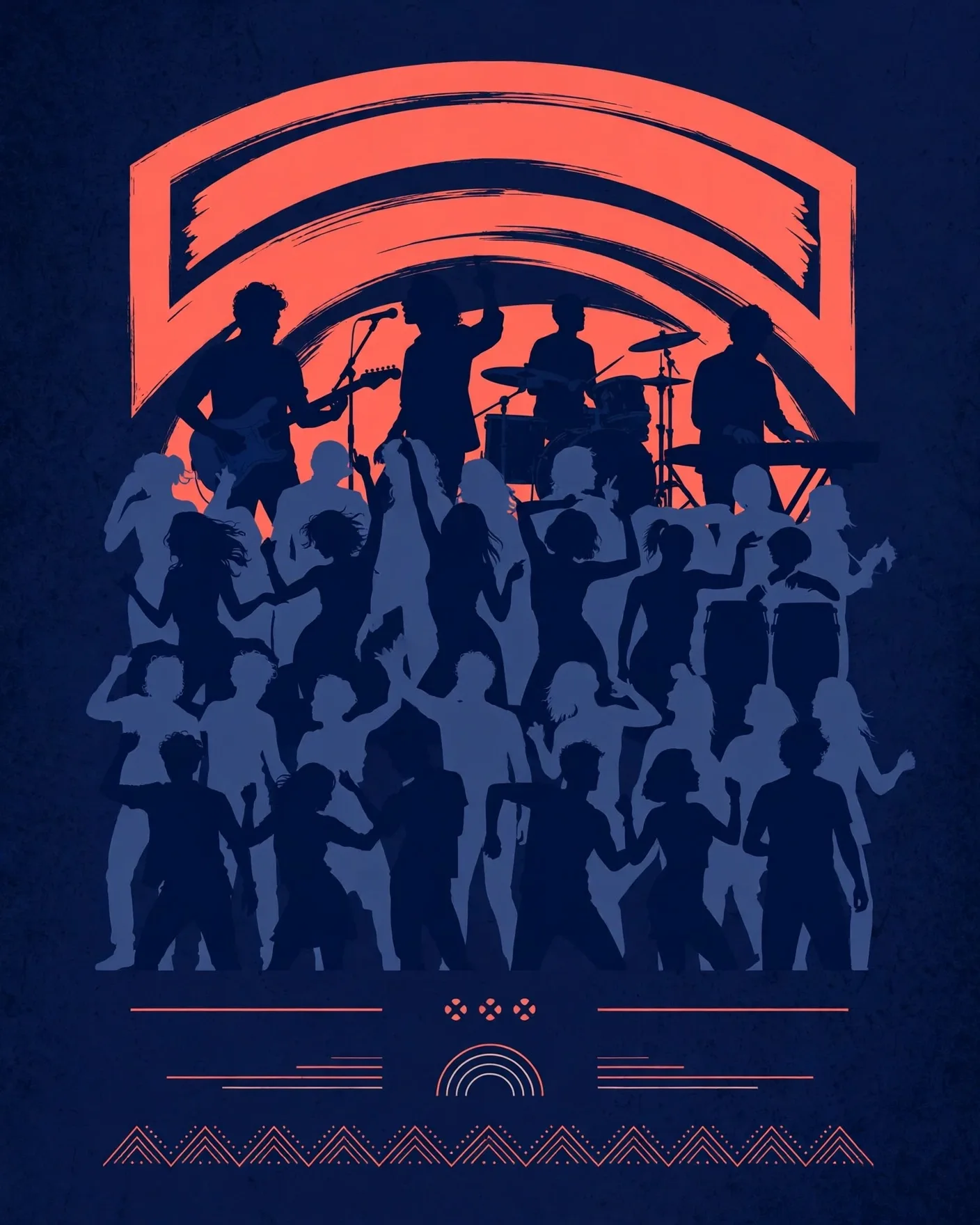
Event Poster Design Template Prompt — Any Theme, One Striking Layout
ChatGPT