

What Google Announced
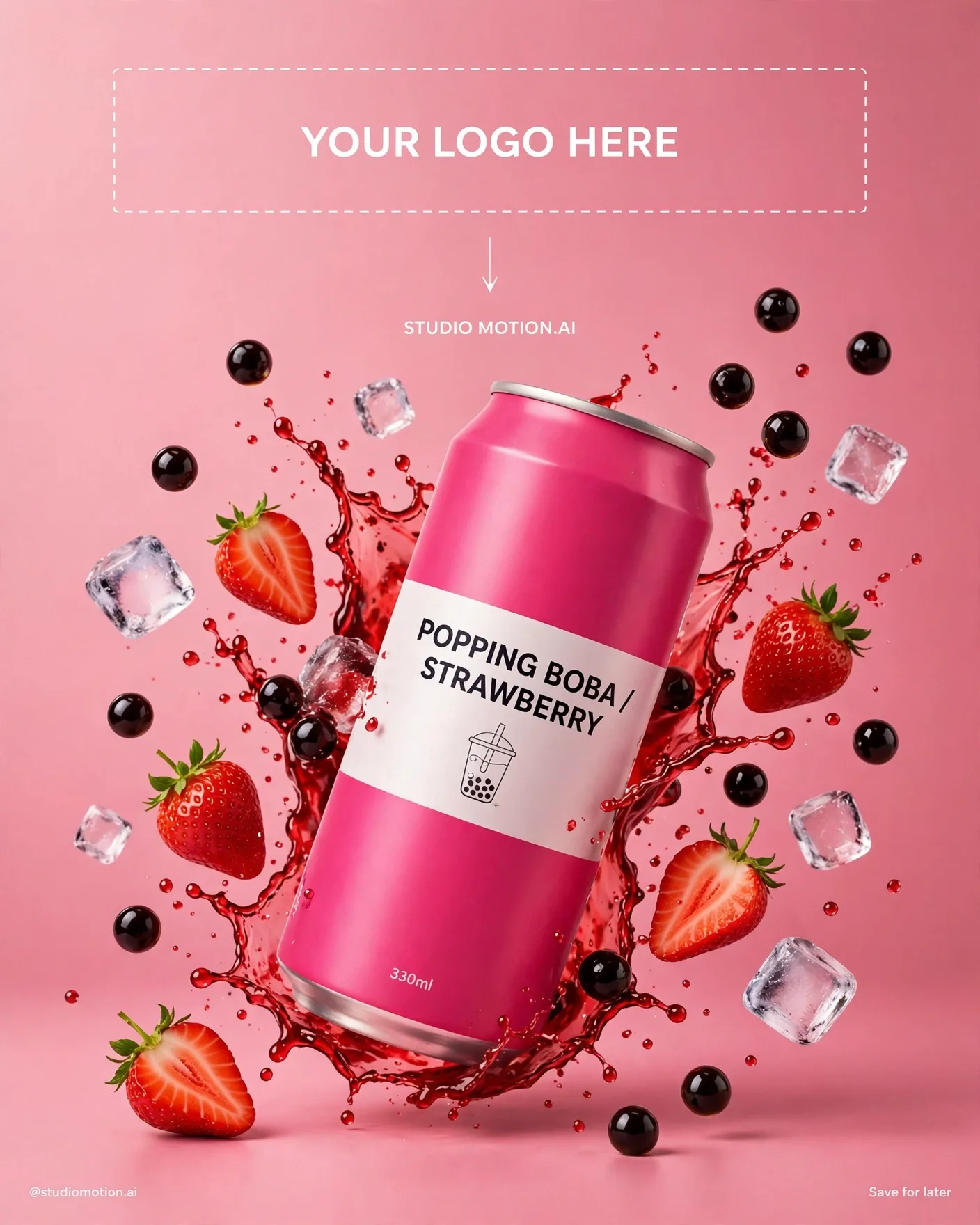
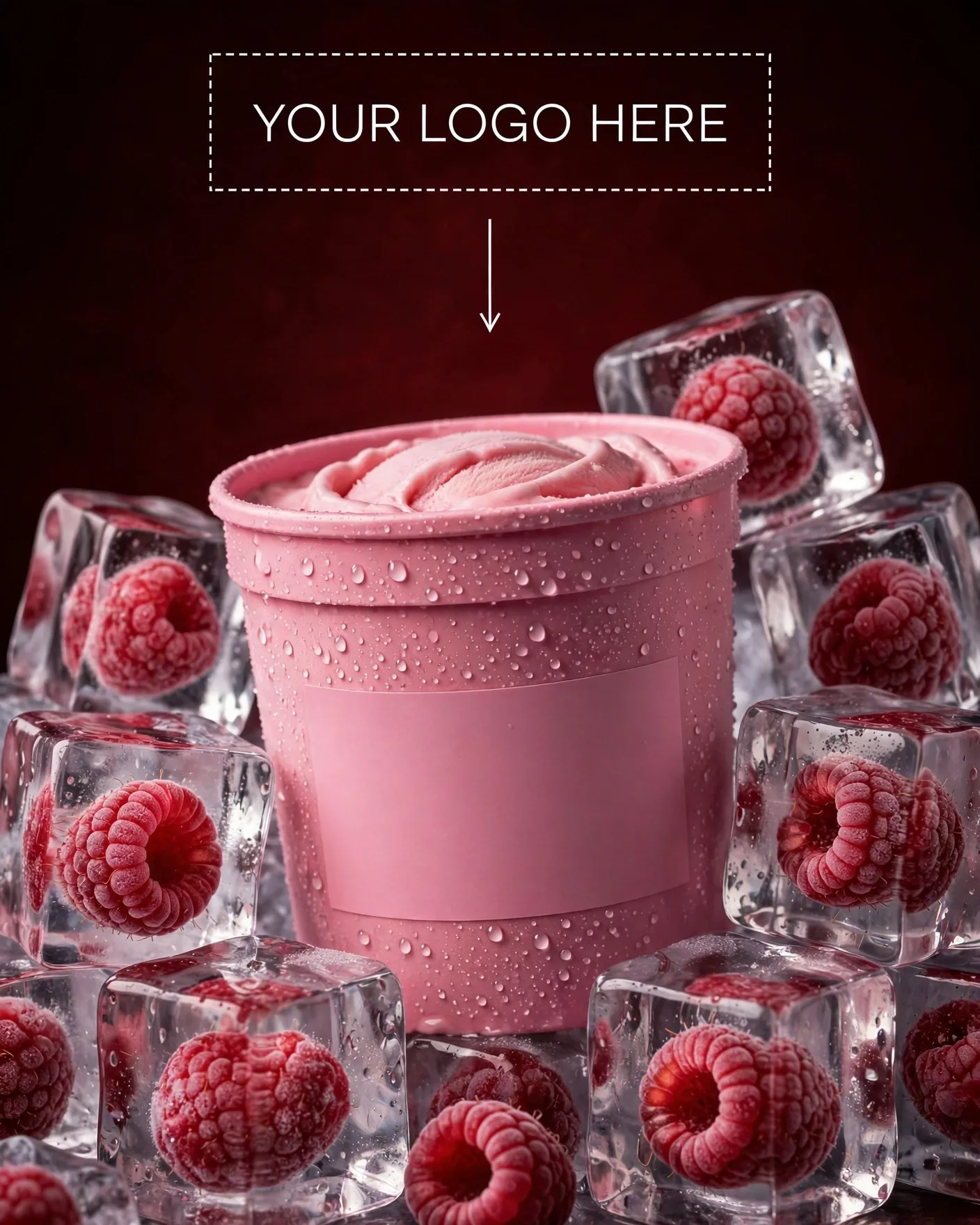
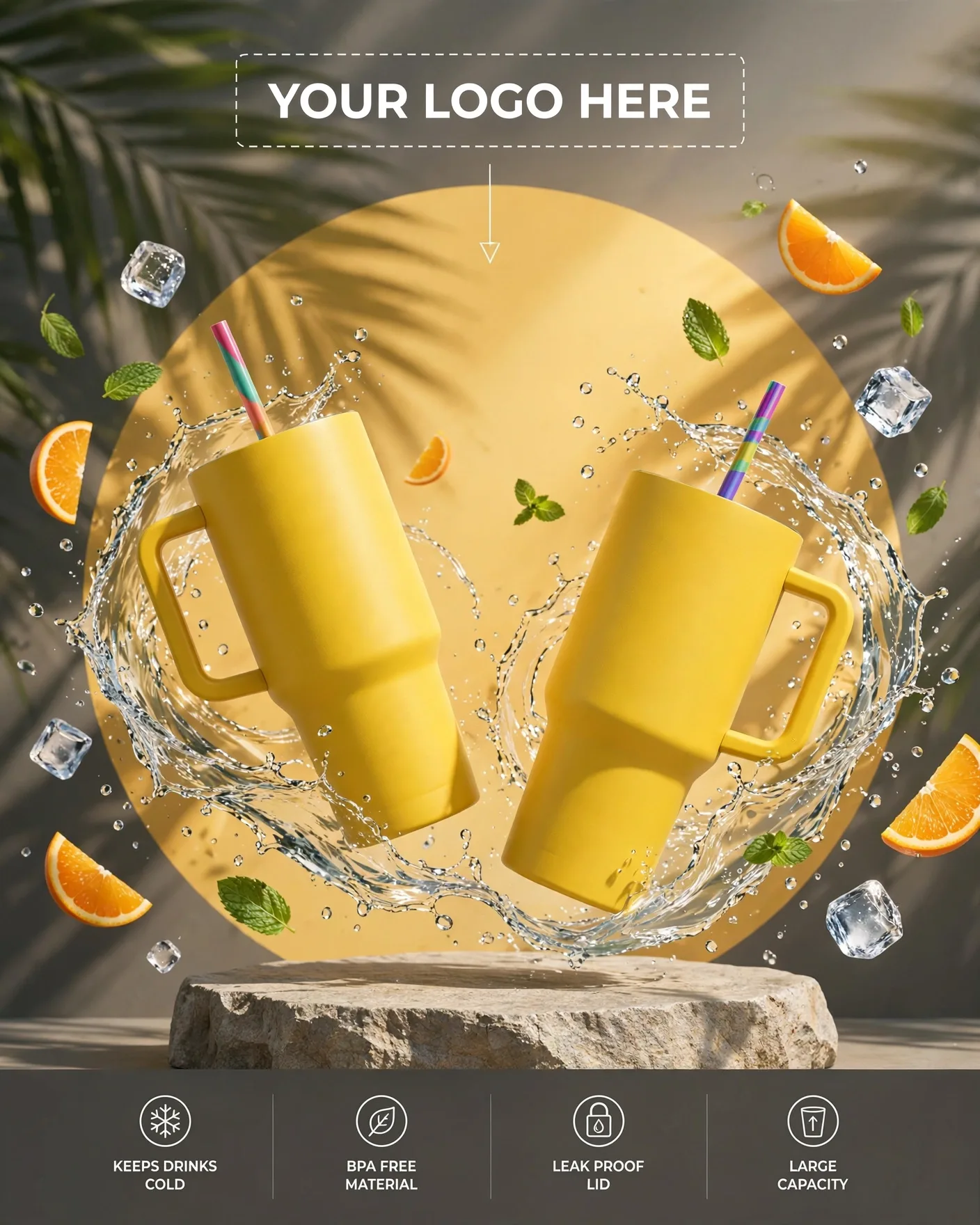
On October 6, 2026, Google released Nano Banana 2.1, the successor to Nano Banana 2 (listed in the API as gemini-3.1-flash-image), announcing it on X with the claim that it "outperforms our previous models across the board." The model is built on Gemini 3.6 Flash, is generally available under the model ID gemini-nano-banana-2.1, and handles both text-to-image generation and image editing in a single model. Google describes gains in visual design, mask-based editing, subject consistency, and more natural-looking imagery.
Mask-Based Editing: Change One Region, Keep the Rest
The headline feature is mask-based editing: you mark the region of a picture you want changed, and the model edits only that area instead of regenerating the whole image. For creators, that means relighting a face, swapping a background object, or fixing text on a poster without disturbing the rest of the composition — a workflow that previously needed a photo editor or multiple regeneration attempts.
Consistency Across Images: Up to 14 Reference Images
Nano Banana 2.1 accepts up to 14 reference images in a single session, keeping character consistency for up to 4 characters and object fidelity for up to 10 objects. That makes it practical for brand mascots, recurring characters in a comic or ad series, and product shots that need the same item from multiple angles — the model holds the subject recognizable across turns instead of drifting.
4K Output and a Price Cut
The model renders at 1K, 2K, and 4K (1K default), with wide and panoramic aspect ratios such as 1:4, 4:1, 1:8, and 8:1 supported at 2K and 4K. Google also cut API pricing: about $0.0336 per 1K image, roughly half the $0.067 of Nano Banana 2 at 1K — the cheapest path to Google's image generation at scale. A 1-million-token context window, configurable thinking levels (minimal, medium, high), and grounding with Google Web and Image Search round out the developer-facing specs.
Where You Can Try It
The model is live in Google AI Studio (ai.studio) and the Gemini API, and Google has made it generally available on the Gemini Enterprise Agent Platform, with the Gemini app pointed to as a first place to try it. Early third-party impressions are mixed — some testers rate it above Nano Banana 2, others still prefer the Pro-tier model for quality-critical work — so treat the "across the board" claim as Google's own framing until independent benchmarks land.
Frequently Asked Questions
What is Google Nano Banana 2.1?
It is Google's image generation and editing model released October 6, 2026, built on Gemini 3.6 Flash. It generates and edits images from text and image prompts, with mask-based editing, up to 4K output, and improved character consistency across images.
What is mask-based editing in Nano Banana 2.1?
You mark the region of an image you want changed, and the model edits only that area instead of regenerating the whole picture. It is ideal for targeted fixes like relighting a face, swapping an object, or correcting text without disturbing the rest of the composition.
How many reference images does Nano Banana 2.1 support?
Up to 14 reference images in one session, with character consistency for up to 4 characters and object fidelity for up to 10 objects — useful for brand mascots, recurring characters, and product series.
How much does the Nano Banana 2.1 API cost?
Google prices it at about $0.0336 per 1K image, roughly half the $0.067 of Nano Banana 2 at 1K and 2K — about a quarter lower at 4K. Costs come from Google's own model card and pricing pages.